Relay type selection is a critical aspect of electrical and automation systems. Relays serve as essential components in a wide variety of applications, from simple control circuits to complex automation processes. Choosing the right type of relay for a specific application ensures the safety, efficiency, and longevity of electrical systems. This article will explore the key factors to consider when selecting the appropriate relay type for your needs.
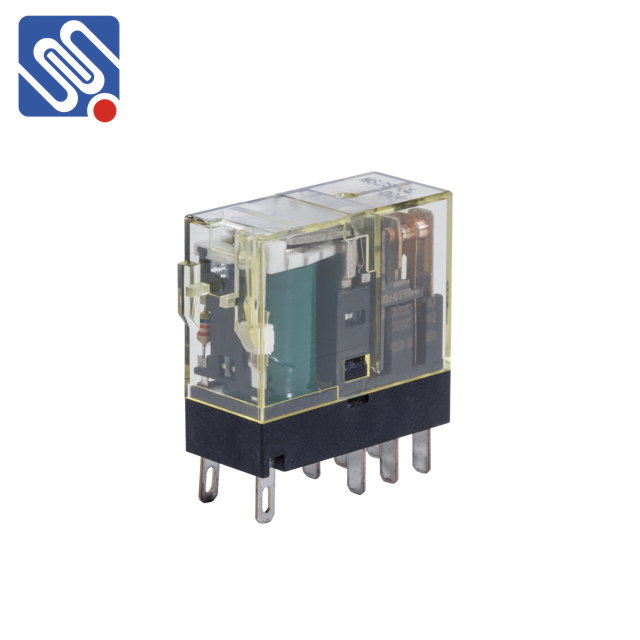
1. Load Type One of the most important factors in relay type selection is the type of load the relay will control. Relays are designed to handle different kinds of loads, including both DC (direct current) and AC (alternating current) loads. DC loads: Relays for DC loads are typically used in low-voltage systems or small devices where direct current is required. They need to be chosen carefully to ensure they can handle the switching and inrush currents of DC circuits, which can cause arcing in mechanical relays. AC loads: Relays for AC loads are commonly found in household and industrial electrical systems. AC relays must be able to handle the switching characteristics of alternating current, such as zero-crossing and inrush currents. This means they should have features like arc suppression to extend the relay’s lifespan.
Leave a Reply