In modern electronic systems, relays play a crucial role in the automation and control of circuits. A relay is an electromechanical switch that allows a circuit to open or close by using a small amount of current to control a larger circuit. This article serves as a comprehensive relay operation guide, providing insights into the basics of relays, their types, wiring configurations, operation procedures, safety precautions, troubleshooting tips, maintenance practices, and additional technical support resources.
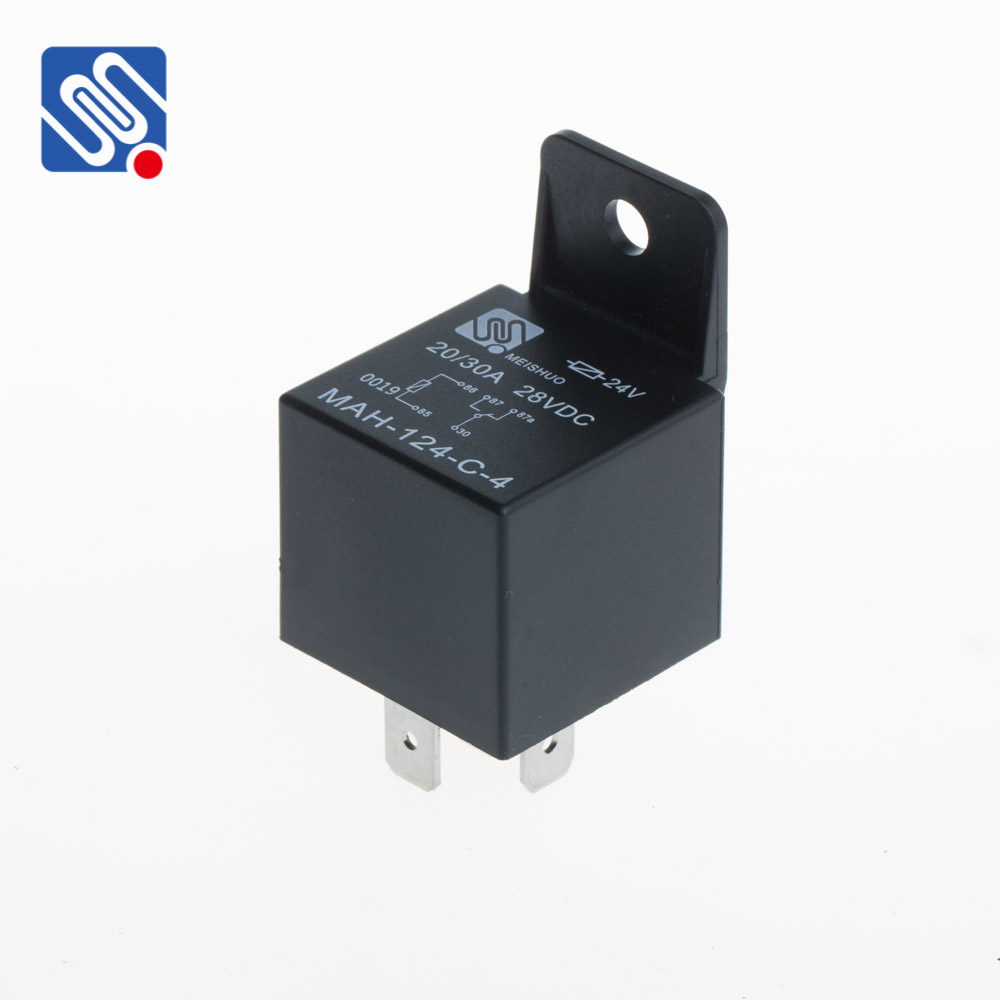
Understanding Relays Relays are devices that enable the control of high power or high voltage circuits with low power signals. They primarily consist of an electromagnetic coil, an armature, and a series of contacts that open or close the circuit. When current flows through the coil, it creates a magnetic field that attracts the armature and changes the state of the contacts. There are several types of relays, including: Electromechanical Relays (EMR): Traditional relays that use electromagnetic forces to operate. Solid-State Relays (SSR): Use semiconductor devices to perform the switching function without moving parts.
Leave a Reply