Relays are an essential component in modern automobiles, serving as electrical switches that control high-power circuits with low-power signals. Whether it’s starting the engine, turning on lights, or activating various electronic systems, relays play a vital role in ensuring smooth operation. However, like any other electrical component, relays are prone to failure over time. Understanding the common failure modes of relays in cars can help car owners and technicians diagnose and address issues efficiently. This article explores the various relay failure modes, their causes, and their impact on vehicle systems.
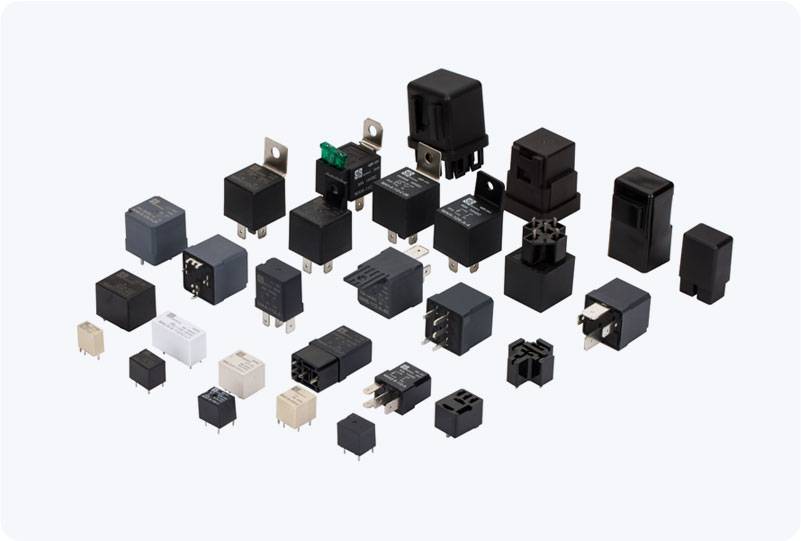
1. Relay Not Engaging or Disengaging Properly One of the most common issues with relays in cars is the failure to engage or disengage correctly. Relays work by using an electromagnetic coil to move an internal switch, either opening or closing a circuit. If the relay is unable to engage or disengage properly, the controlled system will not function. Cause: This issue could arise from a faulty electromagnetic coil, worn-out internal contacts, or poor voltage supplied to the relay. Impact: For example, a failure to engage the relay may prevent the starter motor from turning on, leaving the car unable to start. Alternatively, a relay that fails to disengage could cause systems like lights or the cooling fan to remain on even after the car is turned off.
Leave a Reply