Relay circuit protection plays a pivotal role in safeguarding electrical systems from faults, ensuring both the safety of equipment and the stability of the grid. The primary function of relay protection is to detect abnormal conditions, such as overloads, short circuits, or other faults, and to disconnect faulty sections from the system. This prevents further damage to electrical components, enhances reliability, and ensures the safety of personnel. In this article, we will explore the importance of relay circuit protection, its components, types, and how it operates.
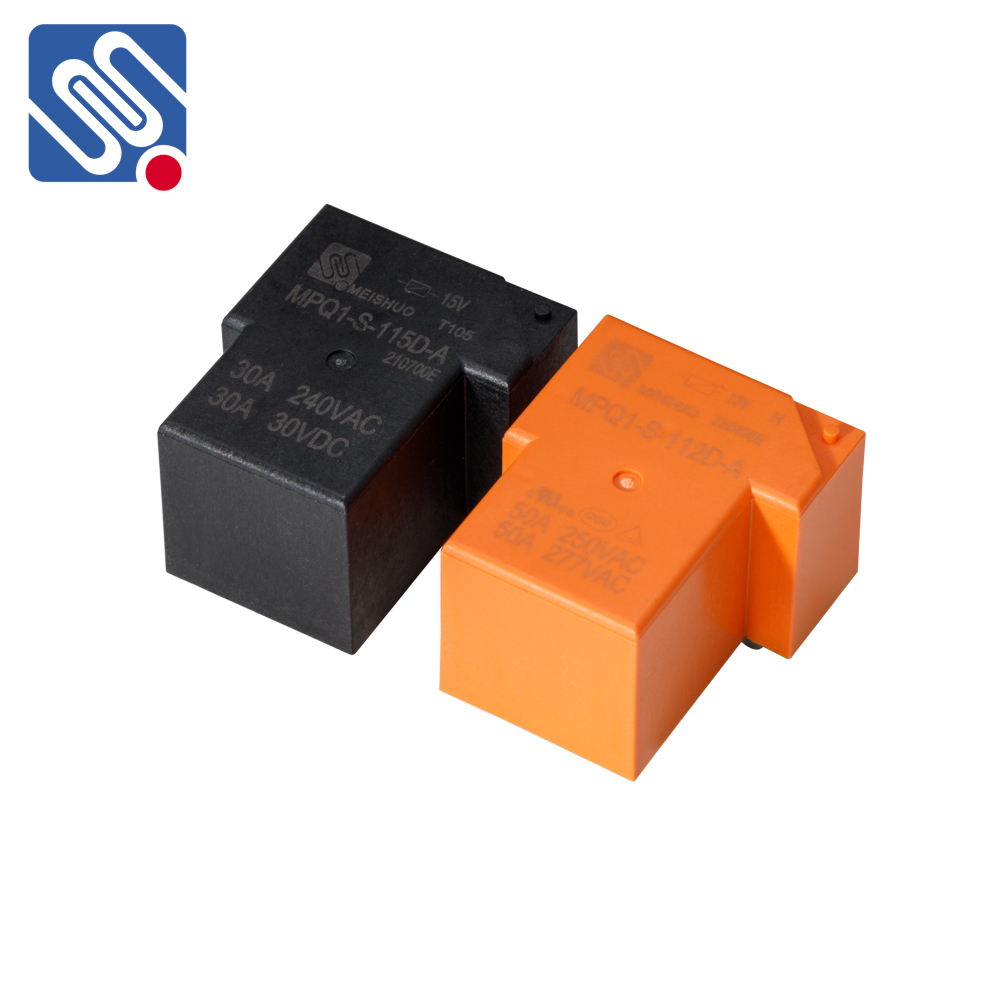
What is Relay Circuit Protection? Relay circuit protection is an automated system designed to detect and isolate faults in electrical circuits. A relay, acting as a sensor, monitors various electrical parameters such as current, voltage, and frequency. When an abnormal condition is detected, the relay sends a signal to a circuit breaker to disconnect the faulty part of the system. This prevents damage to transformers, generators, and other critical components, thus ensuring the smooth operation of the power network. Key Components of Relay Circuit Protection Protective Relay The protective relay is the core of any relay protection system. It constantly monitors the electrical parameters of the circuit and responds to abnormal readings by sending a trip signal to the circuit breaker. There are various types of relays used in circuit protection, including overcurrent relays, differential relays, and distance relays.
Leave a Reply