Pneumatic systems, which rely on compressed air to power equipment and machinery, are a common feature in many industrial settings. From assembly lines to heavy machinery, compressed air is essential for efficient operations. However, this very reliance on pneumatic systems also presents significant safety risks. The potential for accidental machine start-ups, which could harm workers during maintenance or repair, is a real concern. This is where pneumatic lockouts come into play.
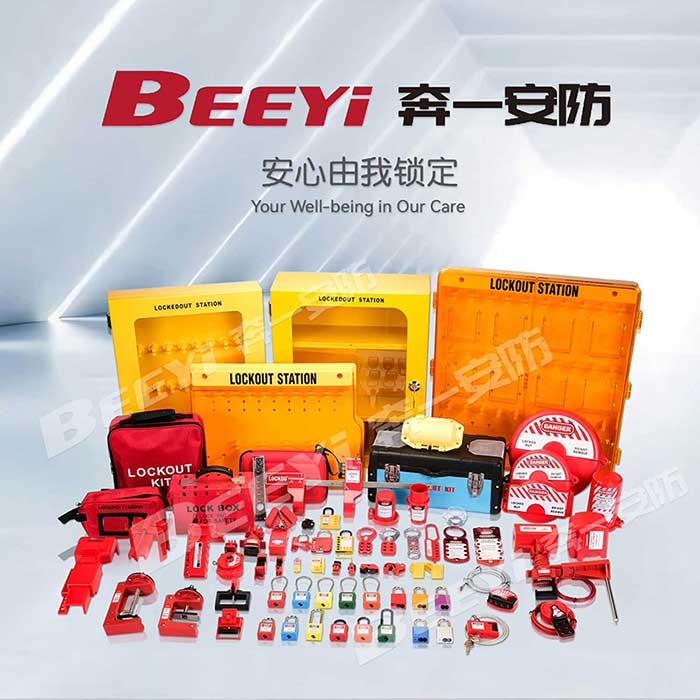
Understanding Pneumatic Lockouts A pneumatic lockout is a safety device designed to prevent the unintended release of compressed air in a pneumatic system. It serves as a physical barrier that locks air valves or other critical components of a pneumatic system, ensuring that the system remains de-energized while maintenance or repair work is being performed. The lockout mechanism typically includes a valve lockout, plug, or other devices that can be secured with a lock to prevent unauthorized access. Pneumatic lockouts are critical for protecting workers who maintain or repair machinery powered by compressed air. Without these devices, maintenance personnel could accidentally trigger an air release, causing equipment to activate unexpectedly and potentially causing injuries or accidents. By locking out the system, workers can be certain that the pneumatic system remains in a safe, de-energized state.
Leave a Reply