The Optocoupler Protected Relay Module is a versatile and essential component in modern electronics, providing an effective solution for safely controlling high-voltage or high-current circuits using low-voltage signals. Combining the functionality of a relay with the protective benefits of optical isolation, this module is widely used in microcontroller-based projects, industrial automation, and home automation systems. Its unique design ensures both operational efficiency and safety for sensitive control devices.
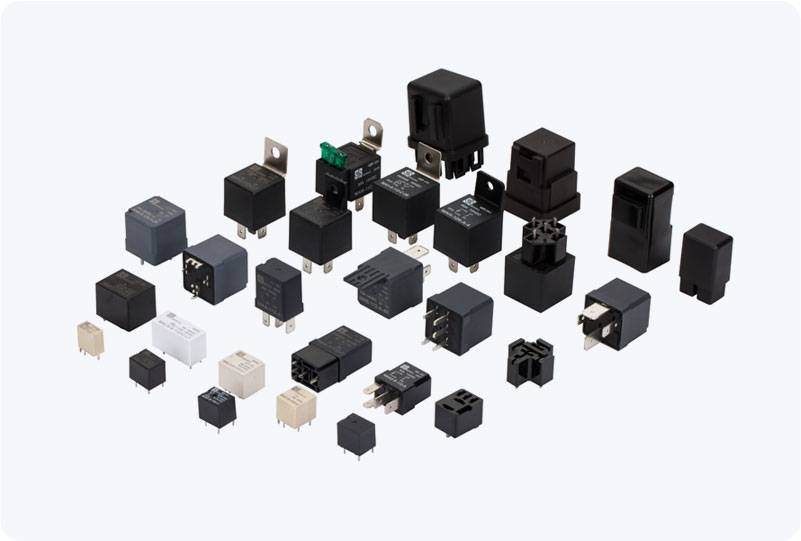
At the heart of the module lies the relay, an electromechanical switch capable of controlling AC or DC loads far beyond the direct handling capacity of microcontrollers. Relays come in various voltage and current ratings, commonly ranging from 5V to 12V for the coil, and supporting load currents from a few amperes up to 10A or more. The relay enables a small control signal to switch on or off a much larger electrical load, making it ideal for applications such as switching motors, lamps, heaters, or other high-power devices. The distinguishing feature of this module is the optocoupler, also known as an optoisolator. The optocoupler acts as a bridge between the low-voltage control circuit and the high-voltage load circuit while maintaining complete electrical isolation. Inside, an LED and a phototransistor communicate optically: when a control signal activates the LED, it emits light detected by the phototransistor, which in turn drives the relay. This design ensures that any voltage spikes, noise, or faults on the load side cannot reach the sensitive control electronics, effectively protecting microcontrollers, sensors, and other low-voltage devices from damage.
Leave a Reply