A One Way Solenoid Valve is a vital component widely used in fluid control systems across various industries. It plays a crucial role in regulating the flow of liquids or gases, ensuring that fluids flow in a specific direction, preventing backflow, and maintaining system efficiency. This article explores the functionality, applications, and benefits of a one-way solenoid valve, highlighting its significance in modern fluid control technology.
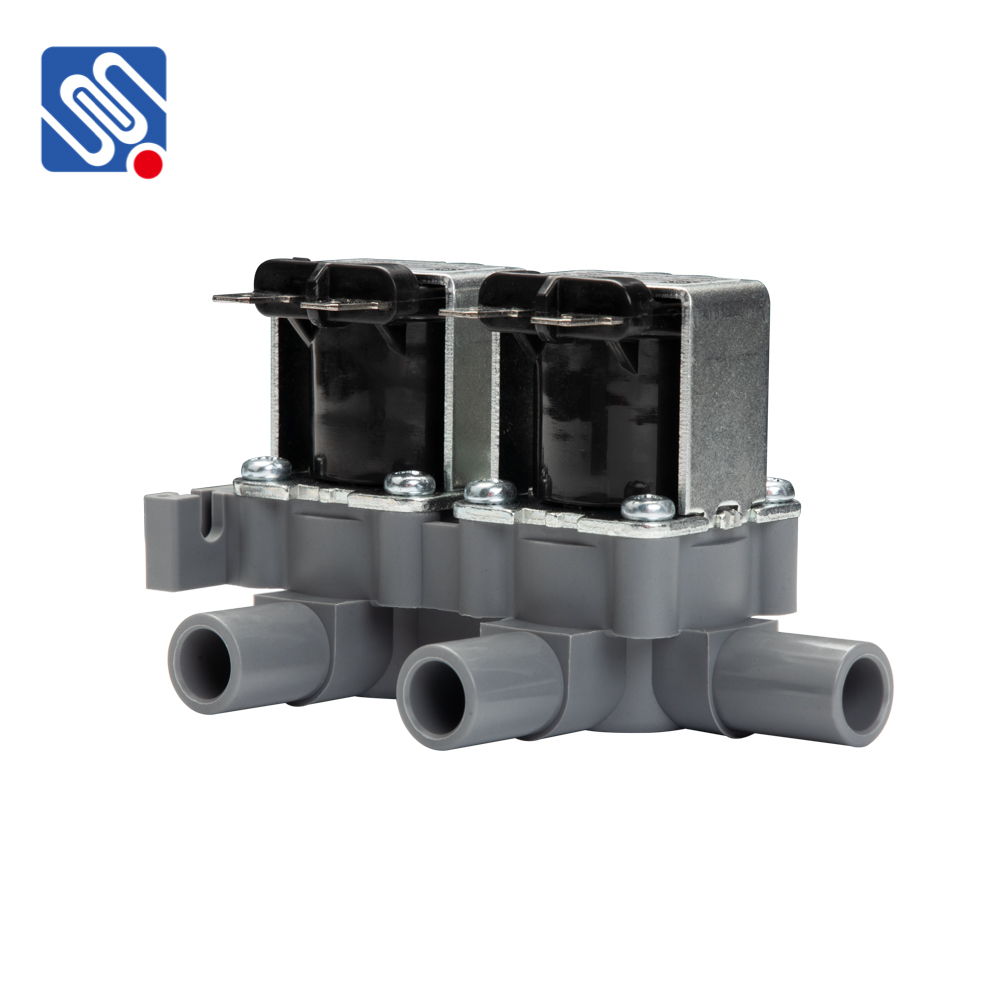
Understanding the One Way Solenoid Valve At its core, a one-way solenoid valve is an electromechanical device designed to control the flow of fluid in a single direction. The valve comprises two main parts: an electromagnet (or solenoid) and a movable valve element. When electrical current passes through the solenoid, it generates a magnetic field that either opens or closes the valve depending on the design. This controlled mechanism ensures that the fluid flows in one direction only, preventing backflow that could damage the system or cause operational inefficiencies. How It Works The working principle of a one-way solenoid valve is simple yet effective. The solenoid, when energized, attracts or repels a plunger or diaphragm, causing the valve to either open or close. The valve typically has an inlet and an outlet, with the flow restricted to one direction. When the solenoid is activated, the valve opens, allowing fluid to pass through in the desired direction. When deactivated, the valve either closes automatically or relies on a spring to return it to its original position, stopping the flow.
Leave a Reply