The Omron G4A Relay Datasheet provides essential technical information for engineers, technicians, and designers working with automation and control systems. Omron’s G4A relay series is a widely recognized family of electromagnetic relays, known for its reliability, durability, and versatility in various industrial and commercial applications. Understanding the specifications and characteristics from the datasheet is crucial to ensure proper selection and integration into electrical circuits.
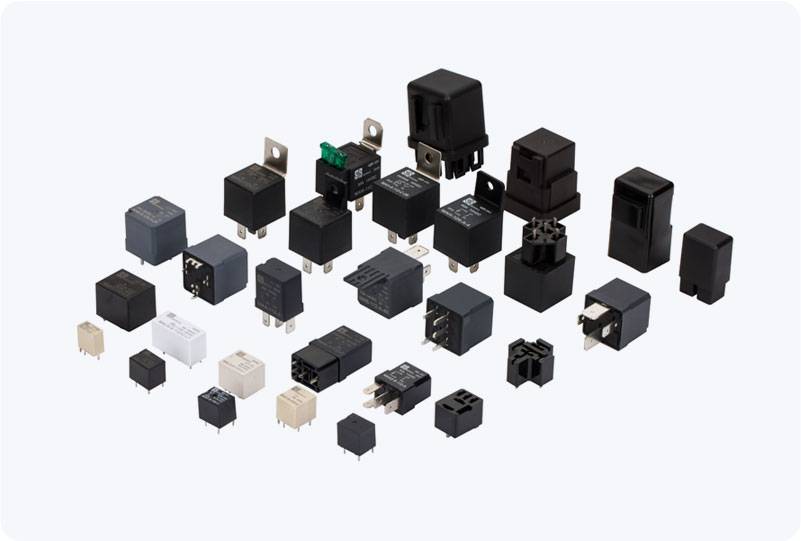
One of the key aspects detailed in the Omron G4A Relay Datasheet is the relay’s coil and contact specifications. The G4A relay typically offers coil voltages ranging from five volts to forty-eight volts DC, allowing for flexibility in control system design. Its coil resistance and rated current are specified to ensure accurate operation and prevent overheating. The datasheet also provides the operating range for the coil voltage, which ensures that the relay functions correctly within safe limits, avoiding coil burnout or unreliable switching. The relay’s contact configuration is another critical component highlighted in the datasheet. The G4A series generally provides single-pole single-throw (SPST) or single-pole double-throw (SPDT) contacts. The contacts are rated to handle currents up to ten amperes at voltages of 250VAC or 28VDC, making them suitable for switching relatively high-power loads, such as motors, lighting systems, and heating elements. Electrical characteristics such as contact resistance, insulation resistance, and dielectric strength are also specified, allowing engineers to assess the relay’s performance and compatibility with the application.
Leave a Reply