Low Voltage DC Relays play a crucial role in controlling electrical circuits in various applications that require low voltage direct current (DC) systems. These relays are designed to act as a switch, allowing for the safe control and management of electrical devices by either opening or closing a circuit in response to an electric signal. Their importance cannot be overstated, as they provide a means of isolation between high-power circuits and low-power control circuits, which makes them indispensable in a wide range of industries.
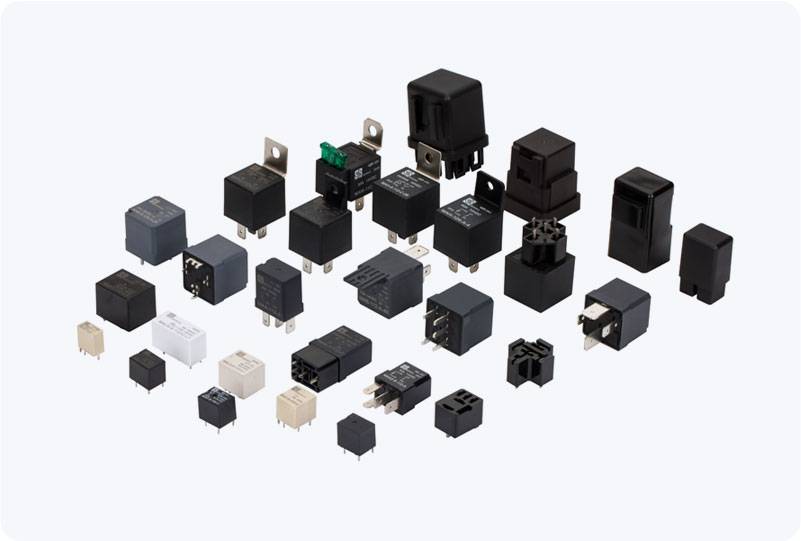
What is a Low Voltage DC Relay? A Low Voltage DC Relay is an electromechanical device that uses a low voltage DC current to operate a switch, which controls the flow of a higher power or voltage in a different circuit. The relay typically consists of several key components: a coil, armature, contacts, and a spring. When a small current flows through the coil, it generates a magnetic field that moves the armature. This movement causes the contacts to either close or open, thus controlling the flow of electricity in the circuit. The term “low voltage” refers to the fact that these relays are designed to operate with a DC voltage in the range of 12V to 48V, commonly used in automotive applications, small appliances, and low-voltage control systems.
Leave a Reply