Low-power relays are becoming increasingly popular in the field of electronics due to their ability to operate with minimal energy consumption while still providing reliable switching functions. These devices are crucial in applications where power efficiency is a priority, such as in battery-operated systems, automation controls, and Internet of Things (IoT) devices. In this article, we will explore the fundamentals of low-power relays, their applications, and why they are essential for modern electronic systems.
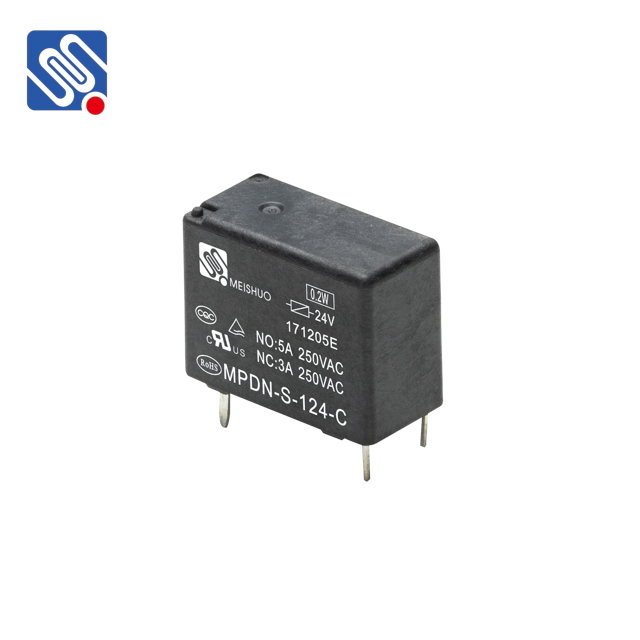
What is a Low-Power Relay? A low-power relay is a type of electromagnetic switch that operates with a significantly lower control power compared to traditional relays. Unlike regular relays that may require a high current to activate, low-power relays are designed to function with lower input voltages and currents, reducing the overall energy consumption of the system. Despite their reduced power requirements, these relays are still capable of switching higher currents on the load side, making them ideal for controlling larger electrical devices or circuits. Low-power relays typically consist of a coil that generates a magnetic field when energized, which in turn activates a set of contacts to open or close. The key difference with low-power relays lies in the design of the coil and the overall internal components, which are optimized to ensure that less energy is needed to achieve the same mechanical actuation.
Leave a Reply