In recent years, the rapid growth of the Internet of Things (IoT) has introduced the need for efficient and reliable communication systems that can handle large-scale networks of low-power devices. One of the key challenges in IoT communication is ensuring long-range connectivity without compromising energy efficiency. This is where the concept of Low Power Communication Relay (LPCR) becomes crucial. LPCRs are designed to extend the range of wireless communication while operating with minimal power consumption. This article explores the working principle, benefits, and applications of Low Power Communication Relays in modern communication networks.
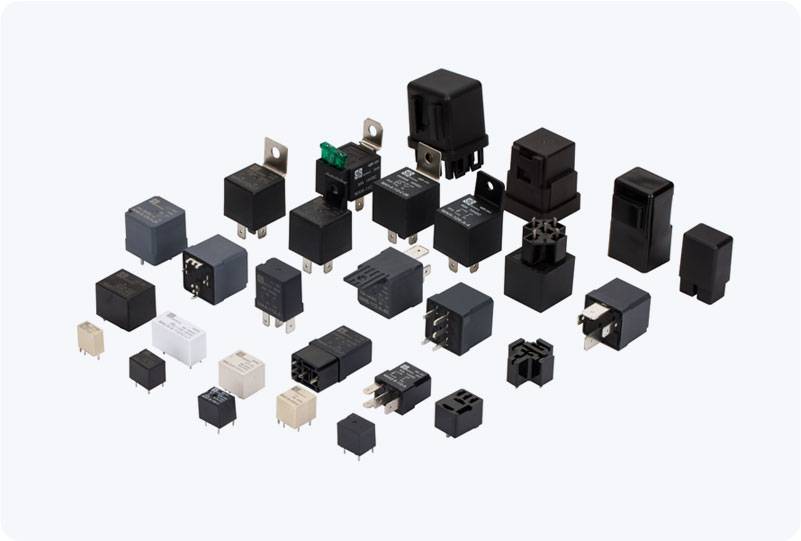
Understanding Low Power Communication Relay A Low Power Communication Relay (LPCR) is a device that receives data from one node in a wireless network and forwards it to another node, extending the communication range between devices. These relays typically work by amplifying and retransmitting signals to overcome limitations posed by distance, obstacles, or interference in communication. What makes LPCRs distinct is their ability to perform these functions while consuming very little power, a feature that is crucial for battery-operated or energy-constrained devices. In traditional wireless communication systems, the strength of a signal diminishes as it travels over distance or through obstacles. This problem becomes even more critical when dealing with low-power devices, which often operate in remote or hard-to-reach areas. LPCRs solve this issue by acting as intermediaries that relay signals, ensuring stable and uninterrupted communication over long distances.
Leave a Reply