Lockout Hasps are critical components in the implementation of lockout/tagout (LOTO) procedures, designed to ensure the safety of workers while they perform maintenance or repairs on potentially hazardous equipment. These devices are essential in industrial environments, where the accidental release of energy can lead to severe injuries or fatalities. Lockout Hasps technical support plays a key role in ensuring that these devices are used properly, maintained effectively, and function as intended to prevent such accidents.
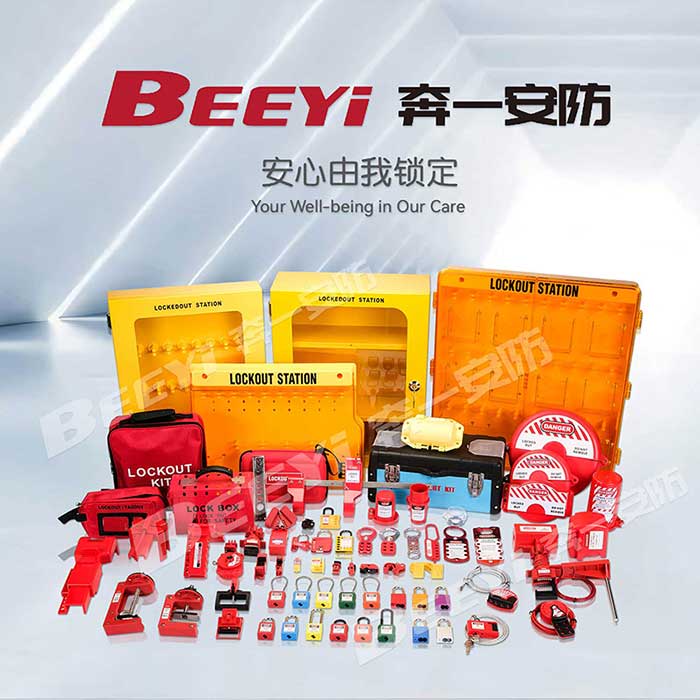
The Role of Lockout Hasps in Safety Protocols Lockout Hasps are part of a broader lockout/tagout system, which is mandated by occupational health and safety regulations in many countries, such as the Occupational Safety and Health Administration (OSHA) standards in the United States. These devices are used to isolate energy sources in machines and equipment during maintenance or repair work, thereby preventing accidental energization or startup that could harm workers. A Lockout Hasps typically works by securing the energy isolation point of the equipment, such as a valve or circuit breaker, with a lockout device and a hasp that can hold multiple locks. This ensures that only authorized personnel can access or modify the lockout status. With the use of multiple locks, each worker involved in the maintenance or repair operation can secure their lock to prevent unauthorized or unintended activation of the machine.
Leave a Reply