In modern power systems, the efficiency and reliability of control and protection mechanisms play a pivotal role in ensuring continuous, safe, and cost-effective power distribution. One crucial component that contributes significantly to these goals is the latching relay. This device is designed to maintain its state even after the power supply is removed, making it an invaluable tool in power system control and automation. In this article, we will explore the working principles, types, advantages, and applications of latching relays in power systems.
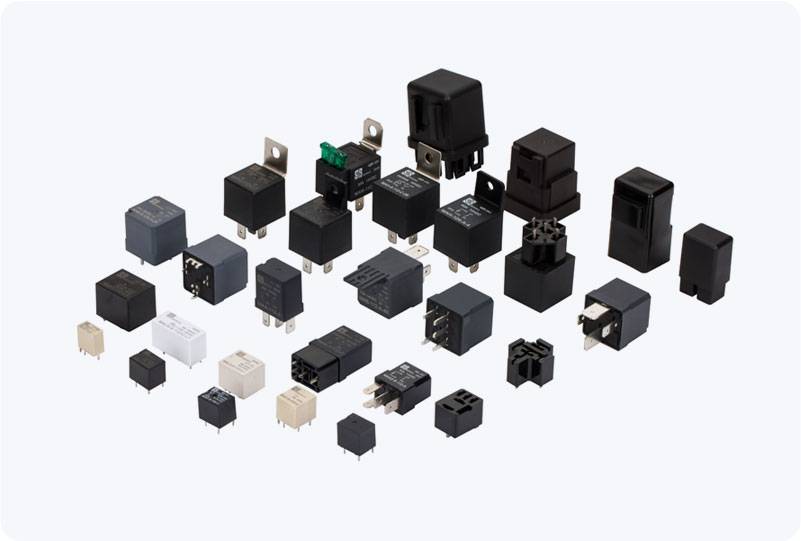
What is a Latching Relay? A latching relay, also known as a memory relay or bistable relay, is an electromechanical switching device that can retain its last switched position without requiring continuous power. Unlike conventional relays, which require a constant supply of energy to keep their contacts in a specific state, a latching relay only needs a brief pulse of current to change its state, and it remains in that state even if the power is cut off. This makes it an ideal solution for applications where the system needs to remember a specific state, such as “on” or “off,” without consuming power continuously.
Leave a Reply