In the world of agriculture, water is one of the most valuable resources. Effective management of water usage is critical to the success of farming and landscaping operations. One of the most essential components in modern irrigation systems is the irrigation valve, which plays a pivotal role in controlling the flow of water to plants. Irrigation valve manufacturers design and produce these valves, ensuring they are durable, efficient, and capable of meeting the specific needs of agricultural and landscaping applications.
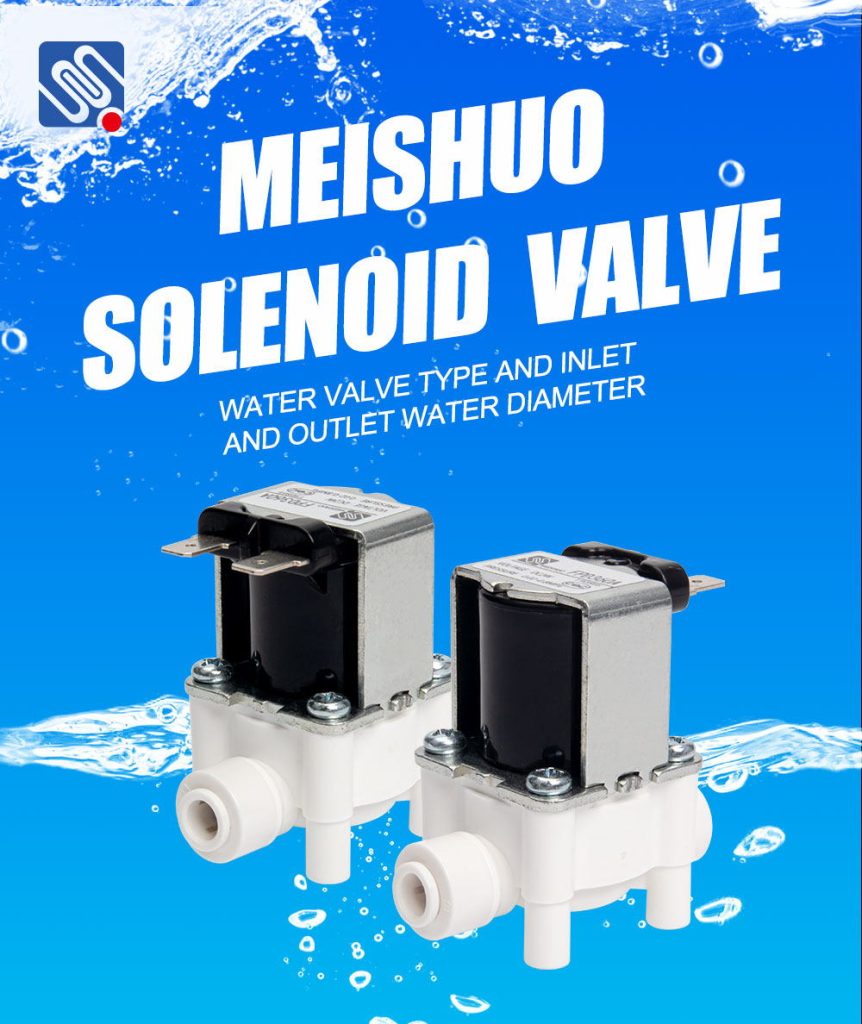
The Role of Irrigation Valves in Modern Systems Irrigation valves are used to control the flow of water through an irrigation system, whether it is a small residential garden or a large agricultural farm. They help regulate water pressure and distribution, ensuring that each part of the irrigation system receives the appropriate amount of water. In modern irrigation setups, valves are often automated to make the process more efficient and less labor-intensive. Valves come in a variety of types, including manual, automatic, solenoid, and pressure-regulating valves. Manual valves require physical operation, often used in smaller, simpler irrigation systems. On the other hand, automatic valves, which are controlled by timers or weather sensors, are popular in larger, more advanced irrigation systems. Solenoid valves, powered by electromagnetic coils, are commonly used in automated systems for precise water control. Pressure-regulating valves maintain a consistent water pressure, preventing damage to irrigation equipment and ensuring optimal water delivery.
Leave a Reply