Industrial environments often pose numerous hazards due to the complex machinery, electrical systems, and heavy equipment involved. Worker safety is paramount in these settings, which is why strict safety protocols are put in place to prevent accidents and injuries. One of the crucial tools used to ensure the safety of workers during maintenance, repair, and servicing of equipment is the Industrial Safety Cable Lock. These locks are a vital part of the Lockout/Tagout (LOTO) system, designed to ensure that dangerous machines and energy sources are securely isolated from accidental activation. In this article, we will delve into the role, features, applications, and advantages of Industrial Safety Cable Locks.
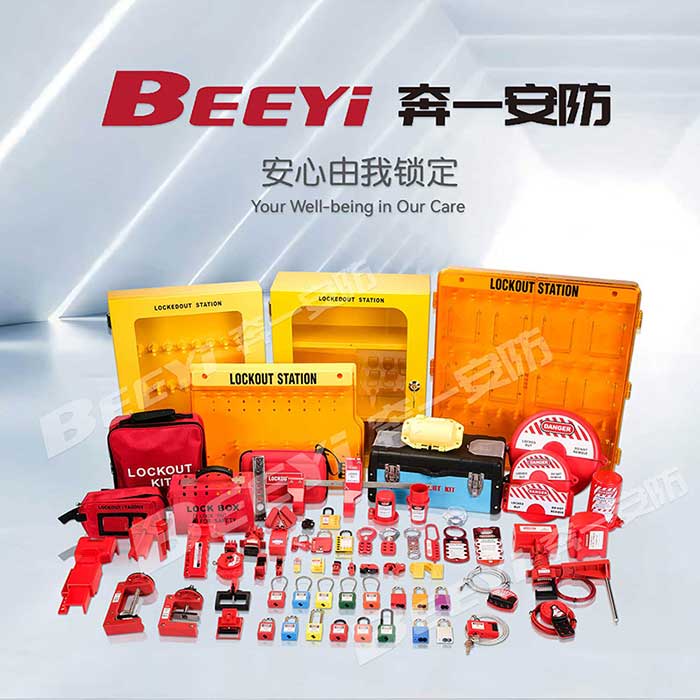
What is an Industrial Safety Cable Lock? An Industrial Safety Cable Lock is a lock that uses a steel cable to secure machines, equipment, or energy sources in a locked-out or tagged-out state. This prevents the accidental release of hazardous energy during maintenance or repair work. The cable is flexible and can be looped through a variety of locking points, such as machine handles, electrical switches, or valve handles. The lock is designed to prevent unauthorized access or operation while a machine is being serviced or worked on. Features of Industrial Safety Cable Locks Flexibility and Durability: One of the defining features of an Industrial Safety Cable Lock is its flexibility. The cable is usually made of high-quality steel and coated with a protective layer to prevent corrosion. This allows it to be used in environments with harsh conditions, such as high temperatures, moisture, or exposure to chemicals.
Leave a Reply