Industrial relays are essential components in power systems, providing crucial protection and control functions in various electrical applications. They play a key role in ensuring the safety, reliability, and efficiency of power distribution networks and industrial machinery. To maintain these high standards, the IEEE (Institute of Electrical and Electronics Engineers) has established a set of guidelines known as the IEEE Standards for Industrial Relays. These standards provide a framework for the design, testing, and application of relays in industrial settings, ensuring that they meet rigorous performance and safety requirements.
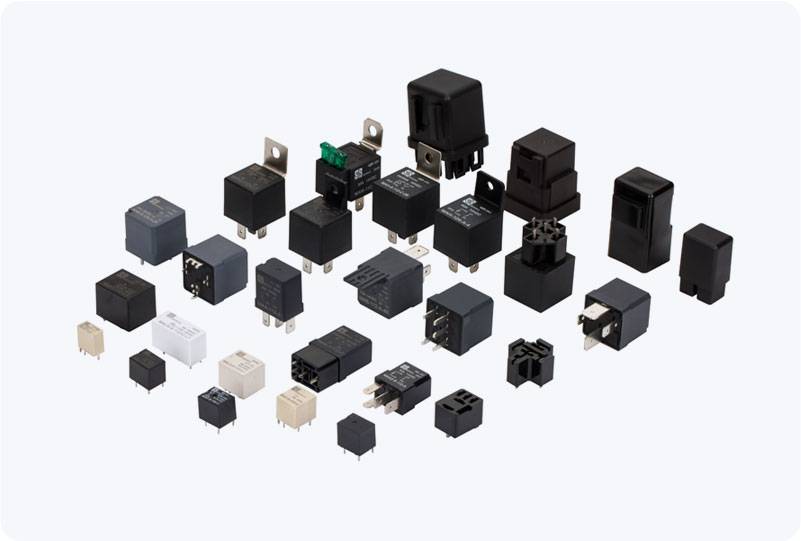
The Importance of Industrial Relays Relays are electromagnetic switches that detect abnormal conditions in electrical systems, such as overloads, short circuits, or other faults. When these conditions are detected, relays operate to disconnect the faulty part of the system, preventing damage to equipment and minimizing the risk of fire or electrical hazards. Industrial relays are used in a wide range of applications, from protecting electrical equipment in power plants and substations to providing control functions in automated manufacturing processes. The performance of industrial relays is critical to the protection and proper functioning of electrical systems. Inaccurate or delayed relay responses can result in significant damage to equipment or even catastrophic system failures. Therefore, it is essential to ensure that industrial relays adhere to stringent standards that address their functionality, reliability, and safety.
Leave a Reply