In modern industrial environments, safety and operational reliability are paramount. One of the critical components that contribute to these priorities is the IEC 60947-2 certified pneumatic lockout. These devices are designed to secure electrical and pneumatic systems, preventing accidental activation and ensuring that maintenance work can be carried out safely. Understanding the role, standards, and benefits of these lockouts is essential for engineers, safety managers, and industrial operators.
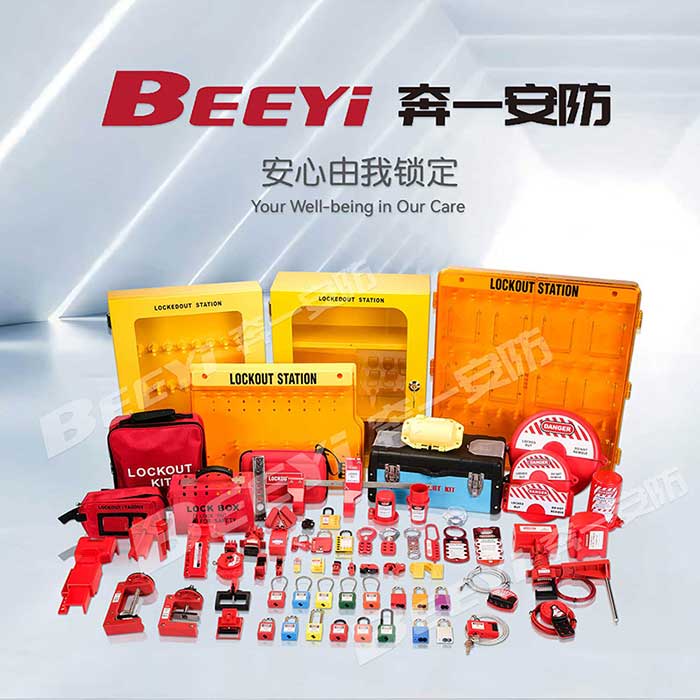
Pneumatic lockouts are specialized devices used to immobilize switches, circuit breakers, or valves. Unlike traditional mechanical lockouts that require manual engagement, pneumatic lockouts operate using compressed air or gas to engage the locking mechanism. This feature provides a faster and more flexible solution for securing industrial equipment. When these devices carry the IEC 60947-2 certification, it signifies compliance with international safety standards for low-voltage switchgear and controlgear, specifically relating to circuit breakers. The IEC 60947-2 standard defines the requirements for the design, testing, and operational safety of circuit breakers. Certified pneumatic lockouts are tested to ensure they can withstand mechanical stress, vibration, and repeated use without compromising their locking functionality. This ensures that the devices maintain their effectiveness over time, even in demanding industrial conditions. By adhering to this standard, manufacturers demonstrate that their products can reliably prevent the accidental re-energization of equipment, which is a critical aspect of workplace safety.
Leave a Reply