In the evolving landscape of sustainable energy, hydrogen energy stands out as a promising solution for reducing carbon emissions and ensuring a cleaner future. As industries continue to explore innovative technologies, one component that plays a vital role in the efficient transfer and regulation of hydrogen is the Hydrogen Energy Electric Flange Ball Valve. This valve is integral to the operation of hydrogen energy systems, ensuring safety, efficiency, and long-term sustainability. In this article, we will explore the role, design, and applications of Hydrogen Energy Electric Flange Ball Valves in the hydrogen energy sector, as well as the potential benefits they offer.
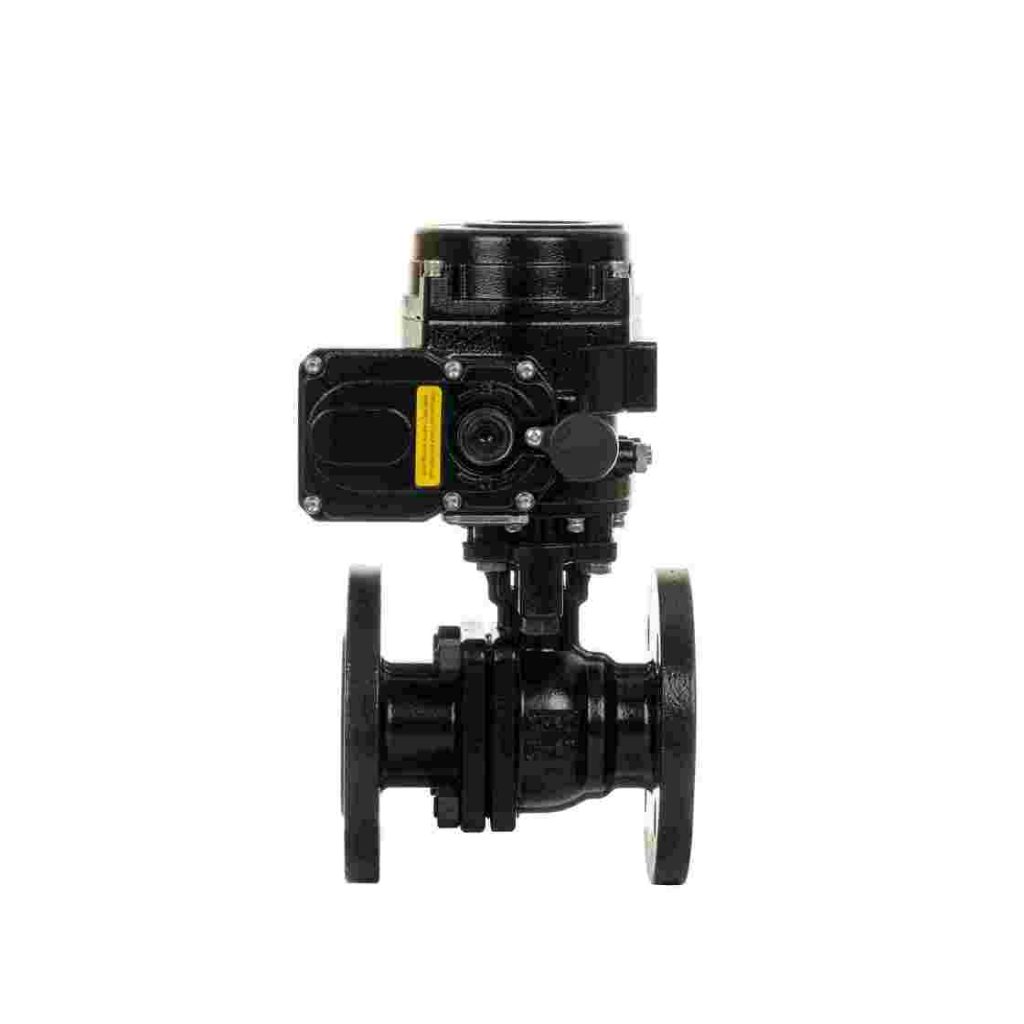
What is a Hydrogen Energy Electric Flange Ball Valve?
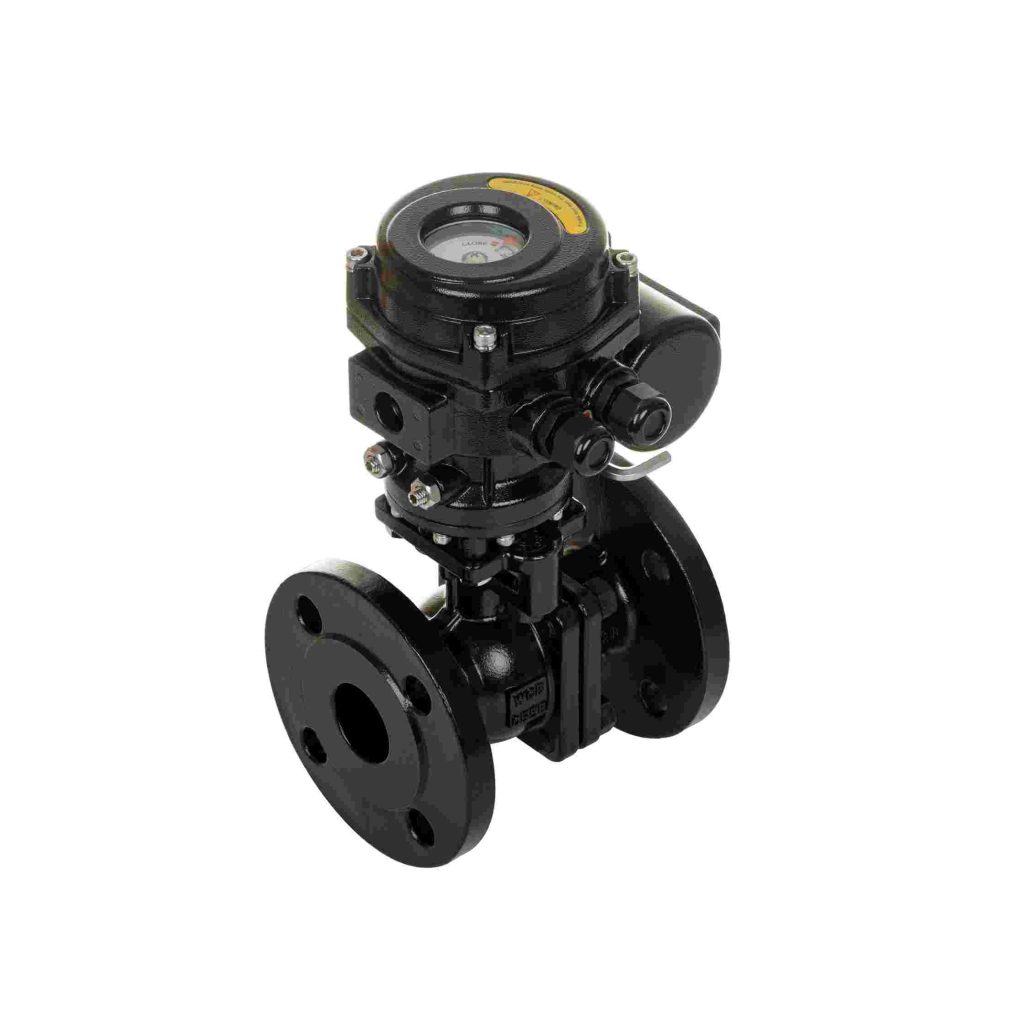
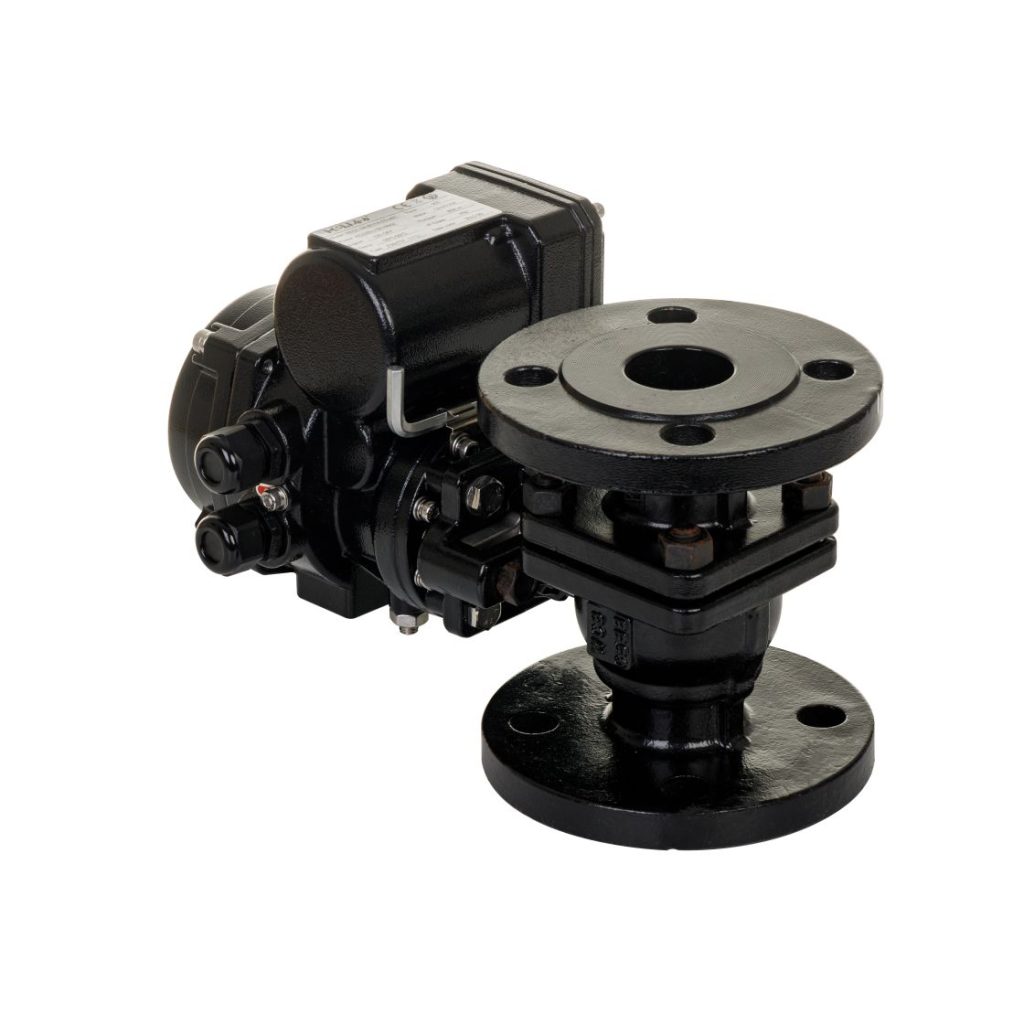
A Hydrogen Energy Electric Flange Ball Valve is a mechanical valve used to control the flow of hydrogen gas within pipelines or other systems. This valve integrates an electric actuator that enables automated operation, offering precise control over the flow of hydrogen. The flange design allows for easy connection between pipes, ensuring leak-proof and secure installations. These valves are engineered to handle the unique properties of hydrogen, including its low molecular weight and high diffusivity, which require special attention to material selection and sealing technology. The ball valve design features a spherical closure element that rotates to either open or close the valve, offering quick and reliable operation. The electric actuator, typically powered by an electric motor, facilitates remote control and automation, which is crucial in large-scale hydrogen production, storage, and distribution facilities.
Leave a Reply