Hydrogen energy electric actuators are a groundbreaking technology that harnesses the power of hydrogen fuel cells to provide clean, efficient, and sustainable mechanical motion. This innovation is particularly relevant in the context of the global push for cleaner energy alternatives and the need to reduce carbon emissions across various industries. In this article, we explore how hydrogen energy electric actuators work, their advantages, challenges, and potential applications in various sectors.
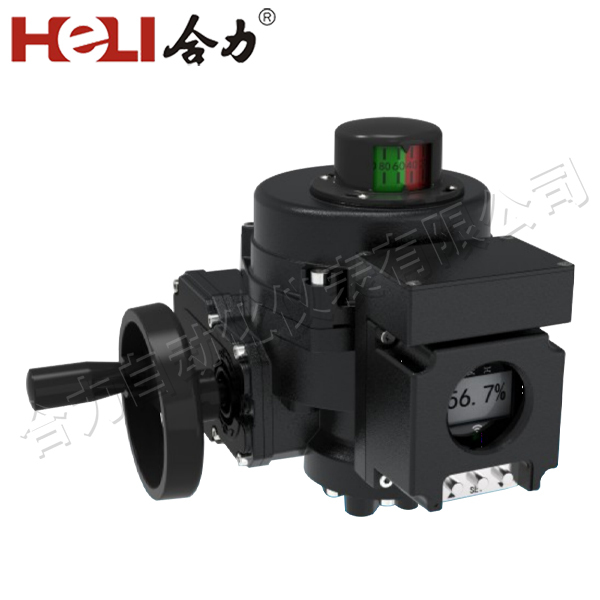
Understanding Hydrogen Energy Electric Actuators
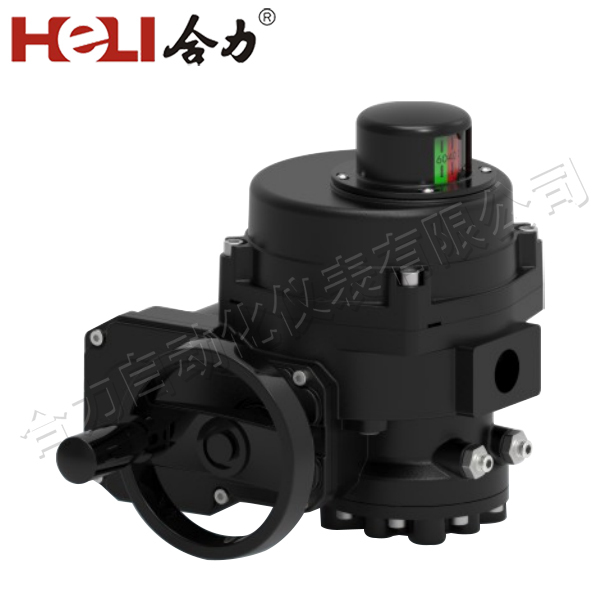
At the heart of hydrogen energy electric actuators is the hydrogen fuel cell, a device that converts hydrogen into electricity through an electrochemical process. In this process, hydrogen gas reacts with oxygen from the air, producing electricity, water, and heat. The electricity generated powers an electric actuator, which converts electrical energy into mechanical motion. This system is highly efficient and can be used for a wide range of applications requiring precision movement and energy efficiency. Unlike traditional actuators, which are powered by electricity stored in batteries or by compressed air, hydrogen-powered actuators offer the unique advantage of using hydrogen as a clean, high-energy-density fuel. The result is a solution that not only reduces reliance on fossil fuels but also helps mitigate environmental impact, making it ideal for industries seeking sustainable alternatives.
Leave a Reply