The world is rapidly shifting towards cleaner, more sustainable technologies, with hydrogen energy playing an increasingly pivotal role in this transition. One such innovation that leverages hydrogen as a power source is the Hydrogen Energy Damper Actuator. This advanced actuator technology has the potential to revolutionize various mechanical systems, offering a cleaner, more efficient solution for controlling movement, airflow, and pressure in industries ranging from automotive to aerospace. In this article, we will explore what hydrogen energy damper actuators are, their working principle, and how they contribute to enhancing energy efficiency and reducing environmental impact.
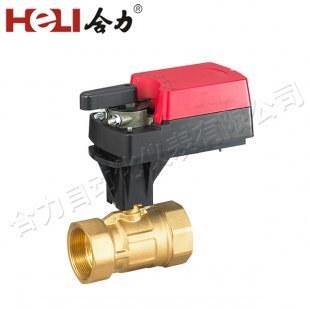
What is a Hydrogen Energy Damper Actuator?
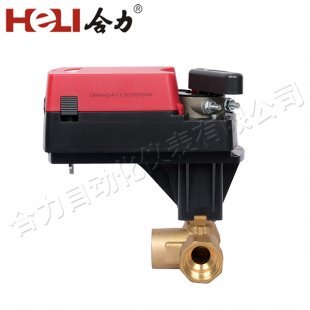
A Hydrogen Energy Damper Actuator combines two key technologies: hydrogen energy and damper actuators. Hydrogen energy refers to the use of hydrogen gas as a fuel to generate power, typically through hydrogen fuel cells. A damper actuator, on the other hand, is a device used to control or adjust the position of a damper, which is commonly used in mechanical systems to regulate airflow, vibration, or pressure. In a hydrogen energy damper actuator, hydrogen fuel cells or hydrogen-powered systems are used to actuate or control the damper’s movements. This technology can be implemented in a variety of fields, including automotive, industrial machinery, and aerospace, where precise control of mechanical systems is required. Unlike traditional electric or hydraulic actuators, which rely on batteries or hydraulic fluids, hydrogen energy actuators offer a cleaner and more energy-efficient alternative.
Leave a Reply