The rapid development of new energy vehicles (NEVs), particularly electric vehicles (EVs) and plug-in hybrid electric vehicles (PHEVs), has brought significant advancements in the automotive industry. One of the key components that ensures the safe and efficient operation of these vehicles is the High Voltage DC Relay (HVDC Relay). HVDC relays are specialized switches designed to control the flow of electricity in high-voltage DC circuits, which are fundamental to the power systems in modern electric vehicles. This article will explore the role, technical specifications, and advantages of HVDC relays in new energy vehicles.
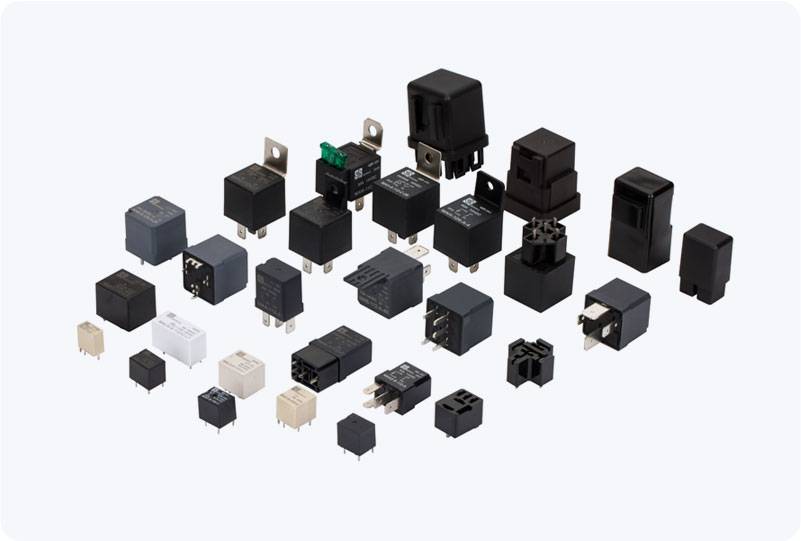
What is a High Voltage DC Relay? A High Voltage DC Relay is an electromechanical or solid-state switch that regulates the flow of electrical current in high-voltage direct current (DC) circuits. In the context of electric vehicles, HVDC relays are typically used to control the power transfer between the high-voltage battery pack and the rest of the vehicle’s electric system, such as the motor and power control units. They play a crucial role in managing the electric power supply and ensuring safety during the vehicle’s operation. HVDC relays are particularly important in NEVs because they handle voltage levels much higher than those found in traditional vehicles. As the automotive industry shifts toward electrification, EVs and PHEVs typically feature high-voltage systems that operate at voltages ranging from 400V to 1000V or more. These voltage levels require specialized components that can safely manage the flow of power without risk of overheating, short circuits, or system failures.
Leave a Reply