In industries such as oil and gas, chemicals, and mining, the presence of flammable gases, vapors, and dust presents a significant safety hazard. Electrical systems in these environments must be designed with the utmost care to prevent the risk of explosions and fire. One of the key components in ensuring the safety of electrical circuits in hazardous locations is the Hazardous Area Relay. These relays play a vital role in isolating, controlling, and transmitting electrical signals safely, thereby protecting both personnel and equipment from potentially catastrophic failures. This article explores the function, importance, and application of Hazardous Area Relays in hazardous environments.
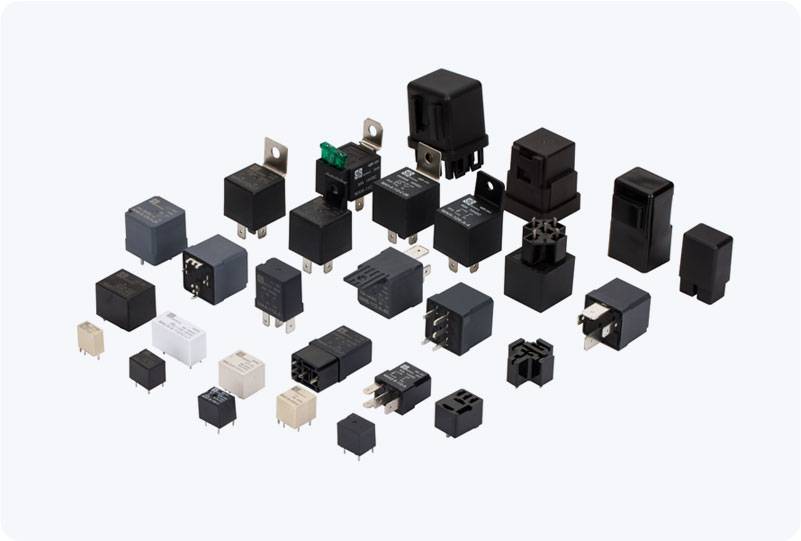
What is a Hazardous Area Relay? A Hazardous Area Relay is a specialized electrical relay designed for use in hazardous environments, where explosive gases, vapors, or dust may be present. The relay is built to meet strict international safety standards, such as ATEX (EU), IECEx (International), and UL (North America), ensuring that it can operate without posing any fire or explosion risk. These relays are primarily used for signal isolation, controlling electrical circuits, and preventing electrical faults, such as sparks or overcurrent, which could ignite dangerous substances in the surrounding environment.
Leave a Reply