In today’s rapidly advancing technological world, fast charging has become a key feature of consumer electronics, electric vehicles, and various other power-driven systems. The evolution of fast charging technologies has drastically reduced the time it takes to charge devices, making them more convenient and efficient. One critical component in the fast-charging ecosystem is the Fast Charging Relay, which ensures the safety and performance of charging systems. This article delves into the significance of Fast Charging Relays, their role in modern charging applications, and the technologies that enable them to function efficiently.
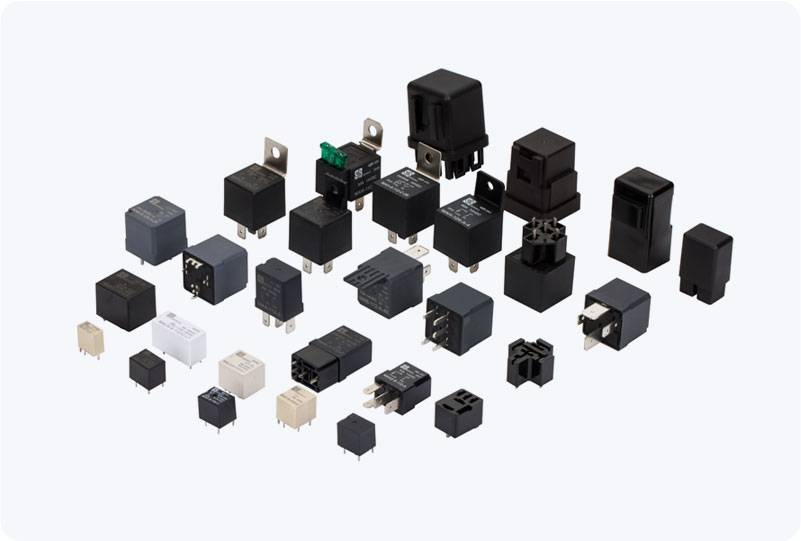
What is a Fast Charging Relay? A Fast Charging Relay is an electrical device used to control the flow of electricity between a power source and a battery or charging system. It works by switching electrical circuits on and off, ensuring the safe and efficient transmission of high current during the charging process. Unlike traditional relays, fast charging relays are designed to handle higher electrical currents and voltages, which are essential for rapid charging applications. The primary purpose of a Fast Charging Relay is to facilitate the connection and disconnection of a charging system with minimal loss of energy, ensuring that power flows directly to the battery or device at the required speed. It achieves this while maintaining the safety standards necessary to protect both the charging system and the battery from potential damage caused by excess current, voltage fluctuations, or overheating.
Leave a Reply