In the modern world, air quality has become a significant concern for both health and productivity. With rising pollution levels, allergens, and airborne diseases, people are increasingly turning to advanced air filtration systems. One such innovation that has gained traction in recent years is the Fan Filter Air system, which combines the power of ventilation with high-efficiency air filtration. These systems are commonly used in environments that require stringent air quality control, such as clean rooms, laboratories, hospitals, and even homes. This article explores how Fan Filter Air systems work, their advantages, and the various applications where they are essential.
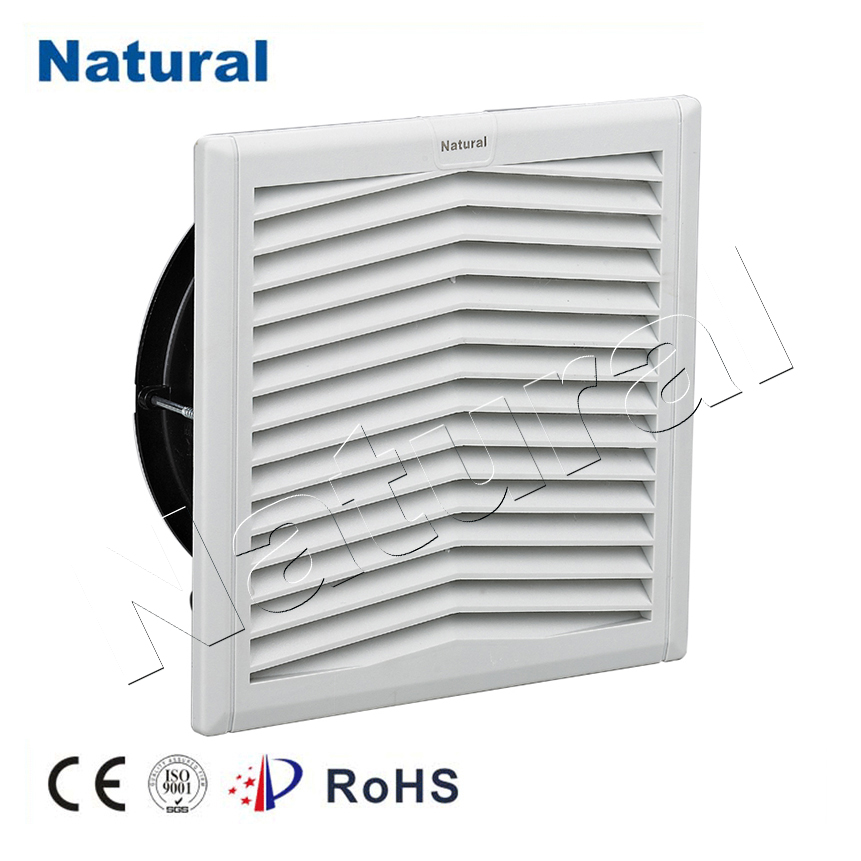
The Basics of Fan Filter Air Systems
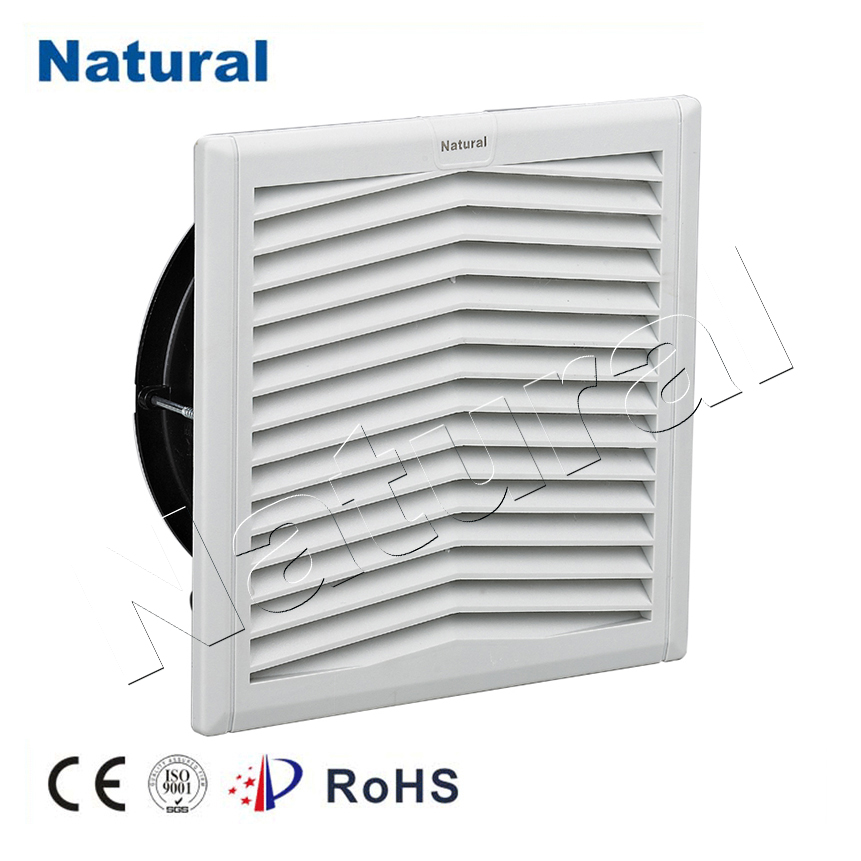
A Fan Filter Air system essentially integrates a fan with a filtration unit. The fan serves to circulate air, creating airflow that passes through a filter to capture particles, dust, pollen, bacteria, and other contaminants present in the air. This setup provides dual functions: ventilation and air purification. The filter used in such systems is typically a HEPA (High-Efficiency Particulate Air) filter, capable of trapping particles as small as 0.3 microns with an efficiency of 99.97%. This high level of filtration ensures that the air delivered into a room or environment is clean, breathable, and free from harmful pollutants.
Leave a Reply