In industrial settings where hazardous gases, vapors, or dust are present, ensuring safety is of utmost importance. An explosion in such environments can have catastrophic consequences, leading to loss of life, property damage, and significant environmental harm. One of the most crucial components designed to protect against such risks is the Explosion-Proof Relay. This specialized electrical relay is designed to operate safely in environments where explosive conditions might exist, preventing the risk of ignition from electrical faults.
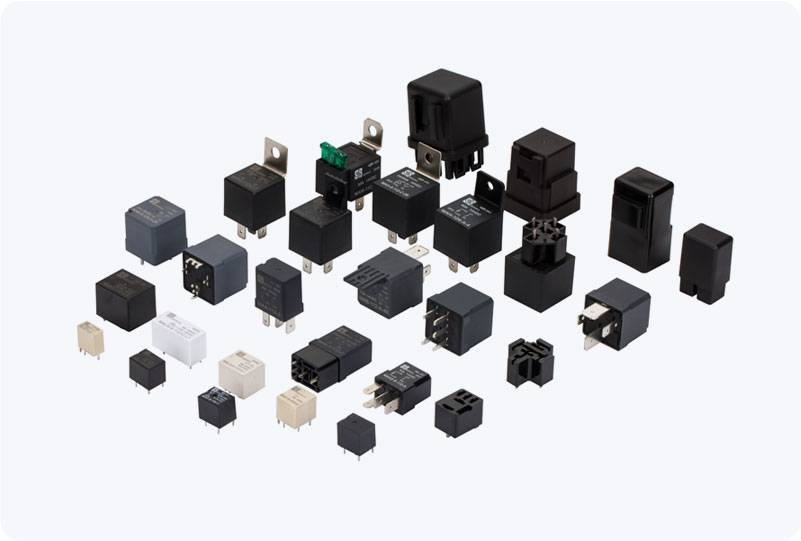
What is an Explosion-Proof Relay? An Explosion-Proof Relay is an electrical switching device that is specifically engineered to be used in explosive atmospheres. It works similarly to a standard relay by opening and closing electrical circuits, but its design is adapted to ensure that no sparks, arcs, or high temperatures are exposed to the surrounding environment, thereby preventing an explosion. These relays are commonly used in areas like chemical plants, oil refineries, mining sites, and grain silos—places where combustible gases or dust are ever-present. Key Features and Design The fundamental characteristic of an explosion-proof relay is its explosion-resistant construction. Typically, the relay is housed in a sealed metal enclosure that can withstand internal pressure from a potential explosion without allowing it to escape into the surrounding atmosphere. This feature is crucial because even a minor spark or electrical fault could trigger an explosion in such hazardous environments.
Leave a Reply