Explosion-proof electric valves are critical components in industrial systems where safety is paramount, particularly in environments that involve volatile gases, chemicals, or other hazardous materials. These valves, designed to prevent ignition of explosive atmospheres, play an essential role in industries such as oil and gas, chemicals, pharmaceuticals, and power generation. In this article, we will explore the design, functionality, applications, and importance of explosion-proof electric valves in ensuring safety and operational efficiency.
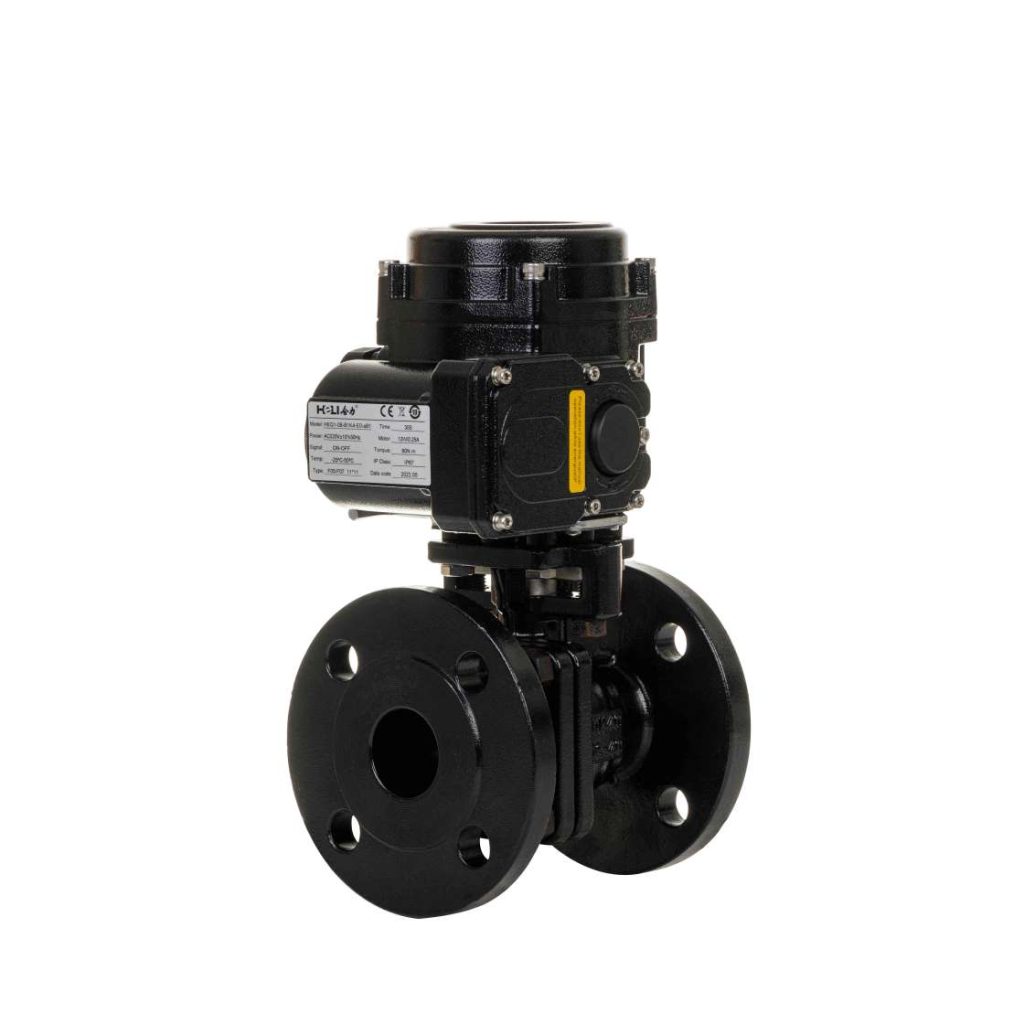
What is an Explosion-proof Electric Valve?
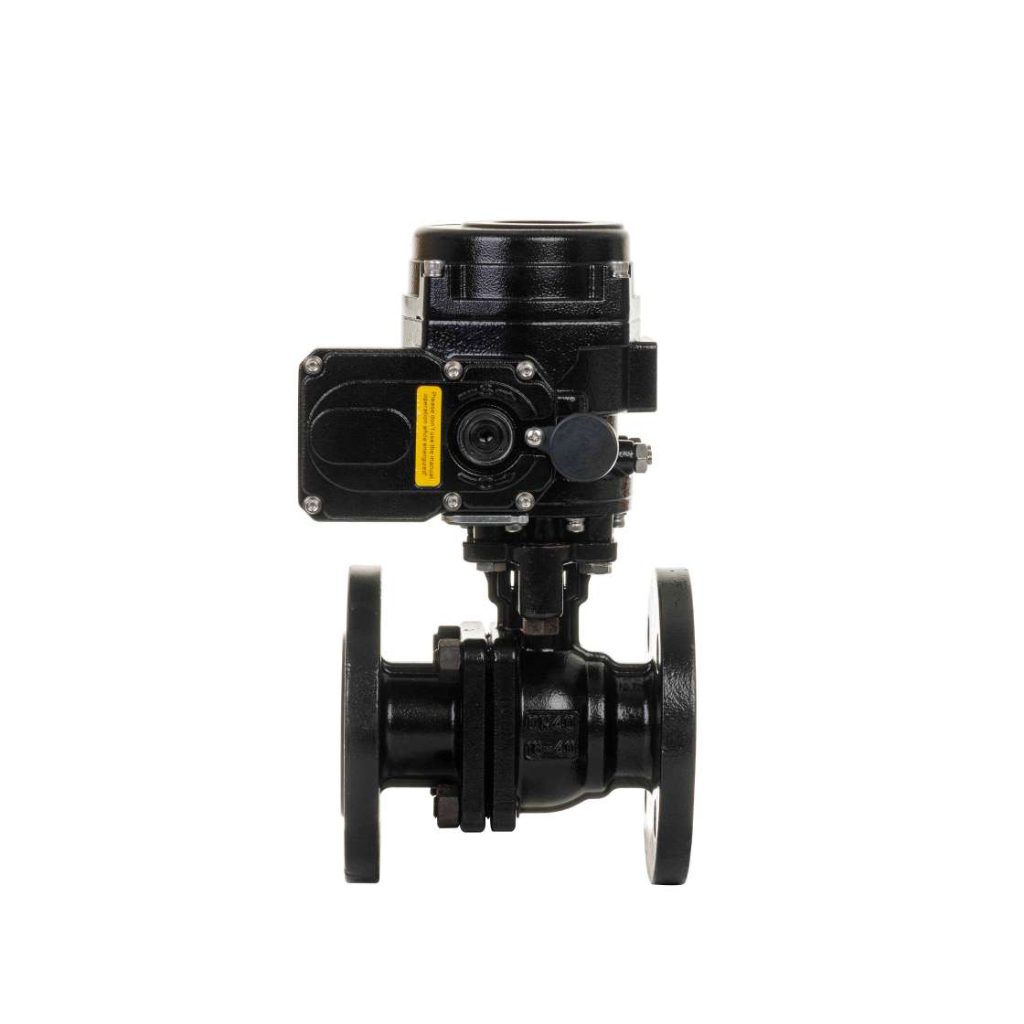
An explosion-proof electric valve is a valve that is specially designed to operate safely in explosive or hazardous environments. These valves combine the traditional functionality of electric actuators with explosion-proof casings and seals. The electric actuator, powered by electricity, is used to open, close, or modulate the valve’s position. The explosion-proof housing is designed to contain any sparks or flames generated inside the valve and prevent them from igniting the external atmosphere. The “explosion-proof” classification of these valves refers to their ability to withstand and contain an internal explosion without causing a fire or secondary explosion. They are built to adhere to stringent safety standards such as the ATEX (Atmosphères Explosibles) directive in Europe or the NEC (National Electrical Code) standards in the United States. The purpose is to ensure that the valve can function in explosive environments without posing additional risk.
Leave a Reply