Explosion proof electrical installations are crucial for ensuring the safety and reliability of electrical systems in environments where hazardous materials or gases are present. These specialized installations are designed to prevent the ignition of explosive substances, thus reducing the risk of fires or explosions. In industries such as oil and gas, chemical processing, mining, and pharmaceuticals, where flammable gases, vapors, or dust are prevalent, explosion proof electrical installations play a vital role in protecting personnel, equipment, and facilities. This article explores the importance of explosion proof electrical installations, key features, standards, and best practices for their implementation.
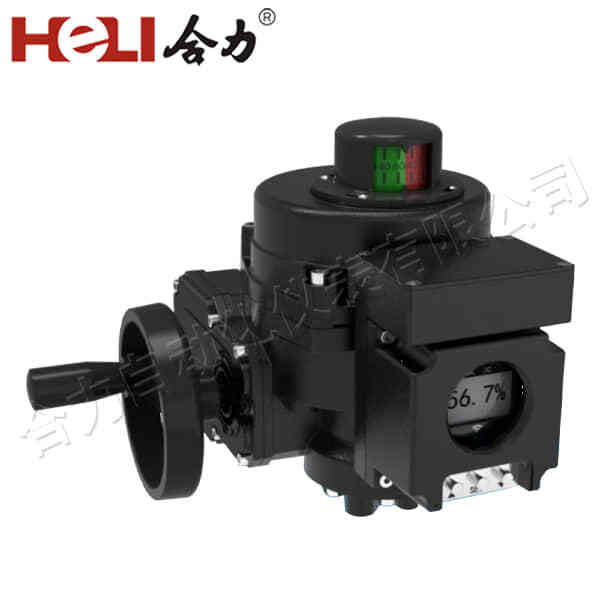
What is Explosion Proof Electrical Installation?
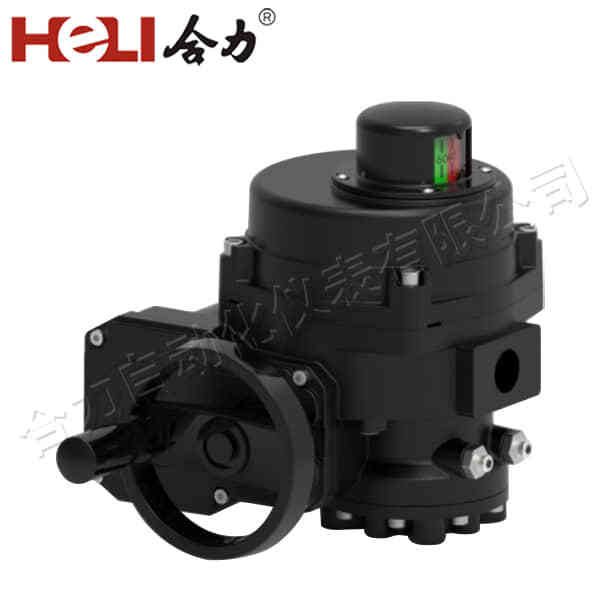
An explosion proof electrical installation refers to the arrangement of electrical components and wiring in such a way that, even in the event of an internal fault or electrical malfunction, the installation will not ignite the surrounding hazardous environment. These installations use specialized equipment that is constructed to contain any sparks or heat produced within the system. The enclosure of the electrical components must be robust enough to withstand an internal explosion without allowing flames or hot gases to escape, which could trigger an external ignition. The core objective of these installations is to protect workers from the risk of ignition and subsequent explosions. This protection is particularly important in industrial settings, where processes might generate combustible gases, vapors, or dust particles that could be easily ignited by electrical equipment.
Leave a Reply