Hydrogen energy is rapidly emerging as a key player in the global shift toward sustainable energy solutions. As countries and industries move towards clean energy sources, the role of hydrogen as a clean and versatile fuel is becoming increasingly important. Within this context, the technology used to manage hydrogen – particularly in transport, storage, and distribution systems – plays a crucial role. One such critical component is the Hydrogen Energy Electric Clamp Butterfly Valve, a specialized valve designed to ensure the safe and efficient control of hydrogen gas flow in various applications. In this article, we will explore the significance of this valve, its components, and its benefits in the evolving hydrogen energy sector.
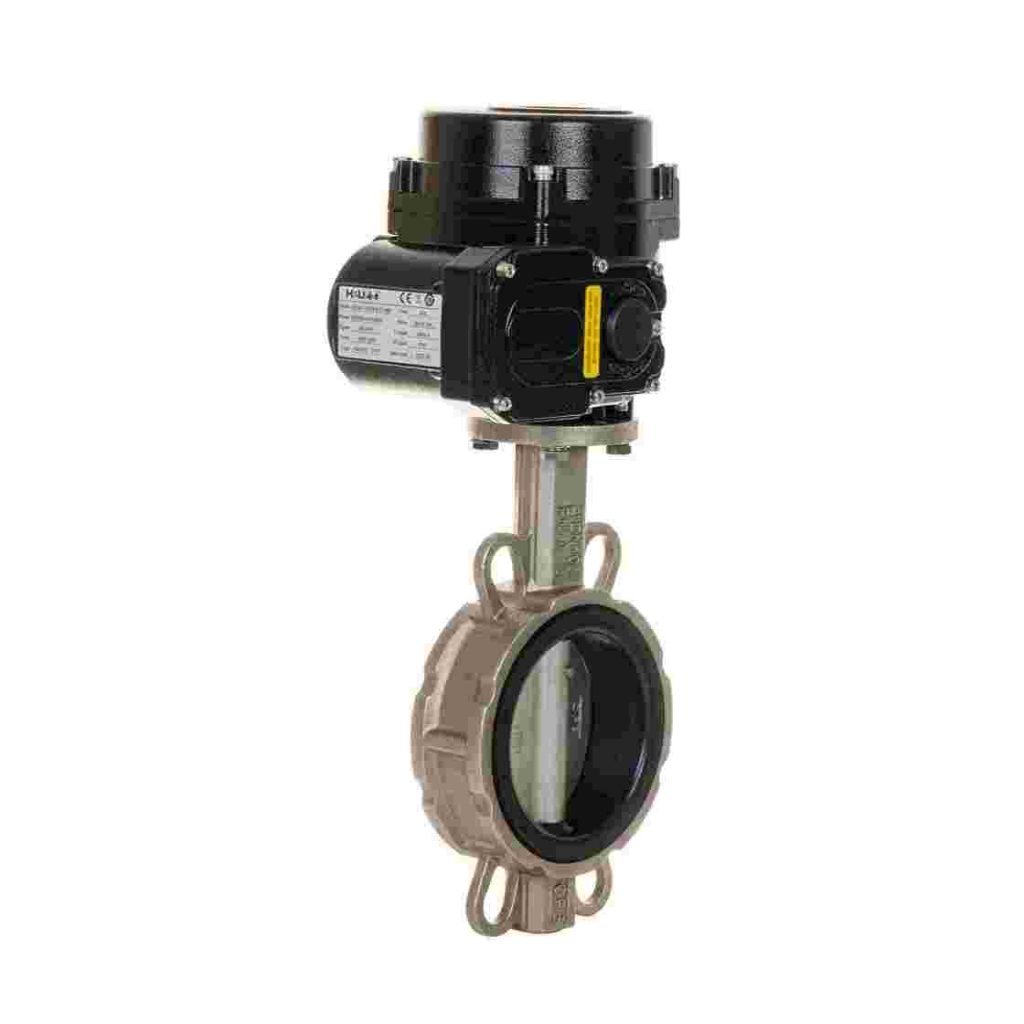
Understanding the Hydrogen Energy Electric Clamp Butterfly Valve
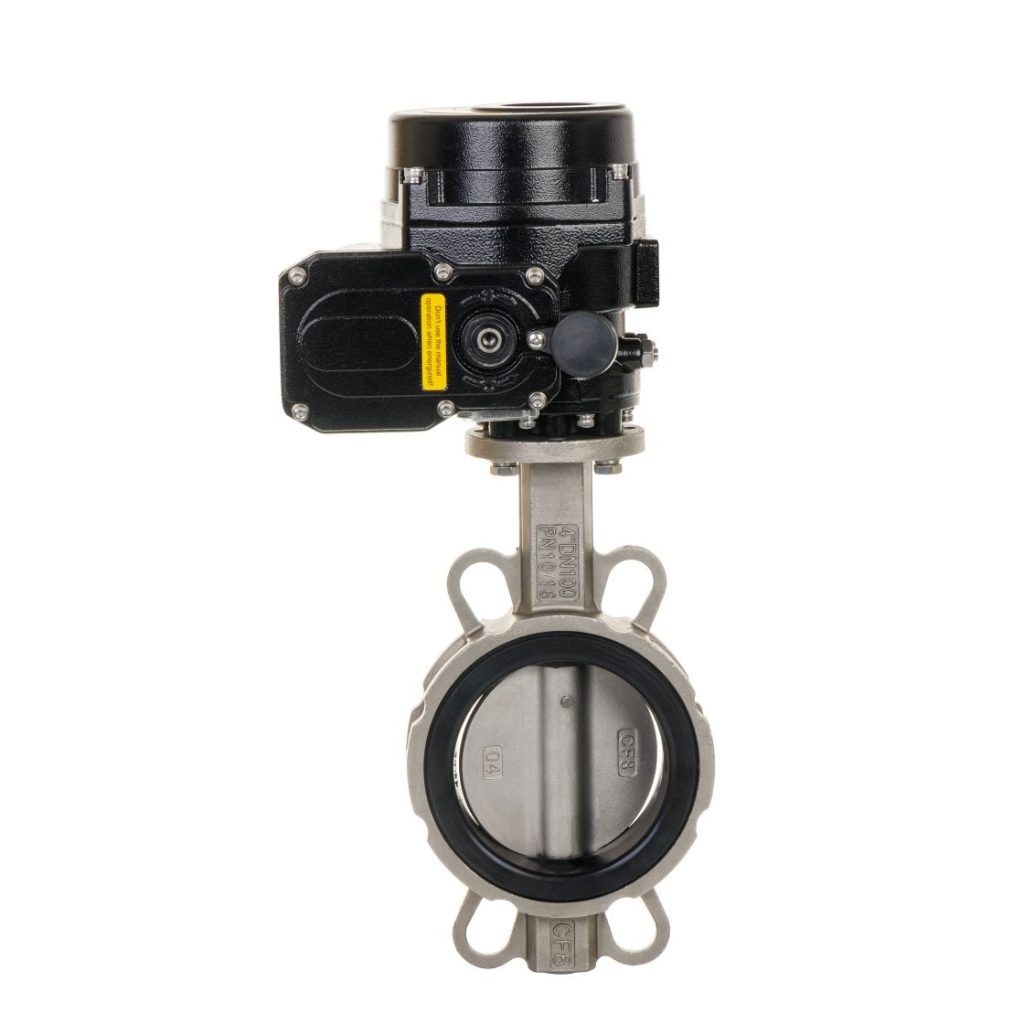
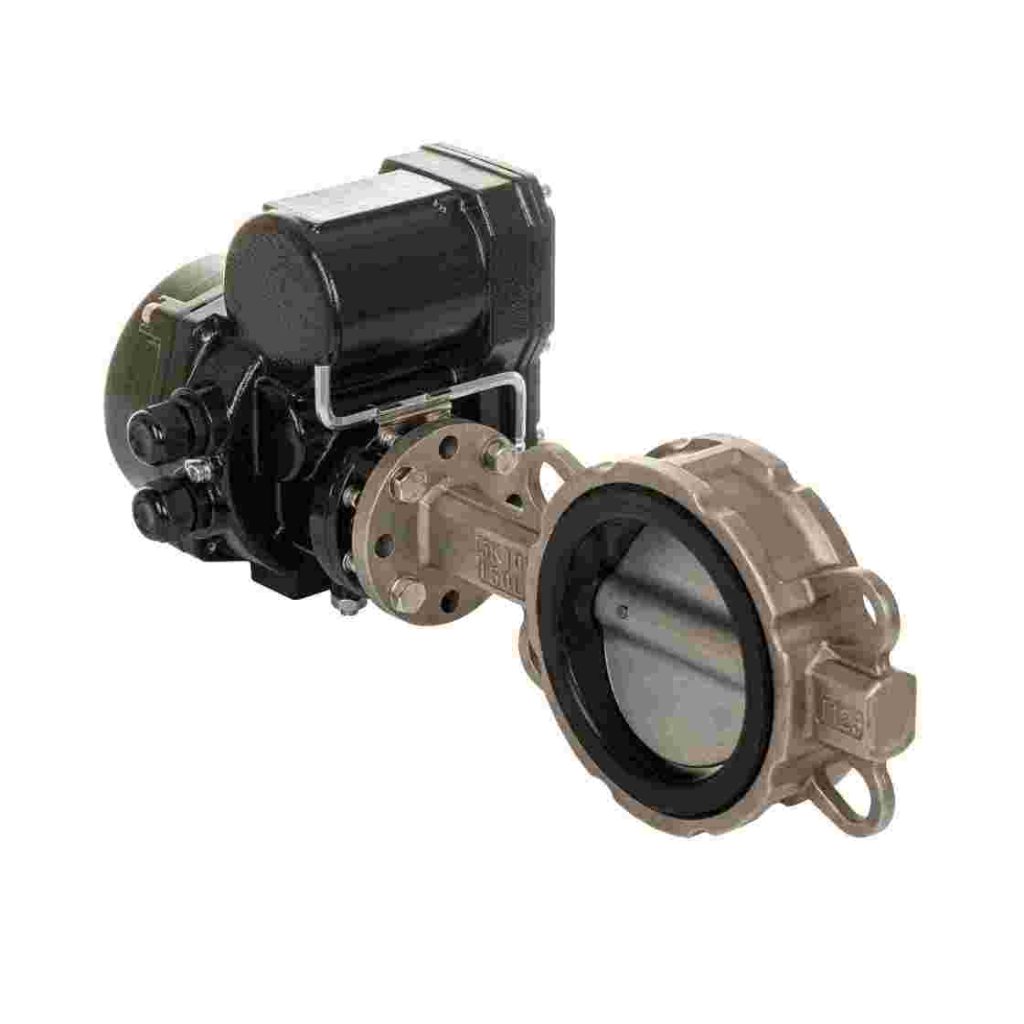
At its core, the Hydrogen Energy Electric Clamp Butterfly Valve combines a butterfly valve design with an electric actuator and a clamp connection system, specifically engineered for the safe handling of hydrogen. The valve’s main function is to regulate the flow of hydrogen gas in pipelines, storage systems, or fuel cell systems, ensuring both operational efficiency and safety. Butterfly Valve Mechanism: A butterfly valve operates using a rotating disc (the “butterfly”) positioned within the pipe. The disc is mounted on a shaft that rotates to open or close the valve. When the valve is fully open, the gas can flow freely through the pipe, while closing the valve restricts or stops the flow. The design of the butterfly valve is favored for its compact size, light weight, and efficient operation, which makes it ideal for large-scale energy systems, including hydrogen infrastructure.
Leave a Reply