Relay circuits are fundamental components used in electrical and electronic systems to control a circuit by opening or closing the contacts of another circuit. These devices have been essential in automating control processes, offering a reliable and efficient way to handle larger electrical currents with smaller control signals. This article delves into the workings of relay circuits, highlighting their types, functionalities, and wide range of applications.
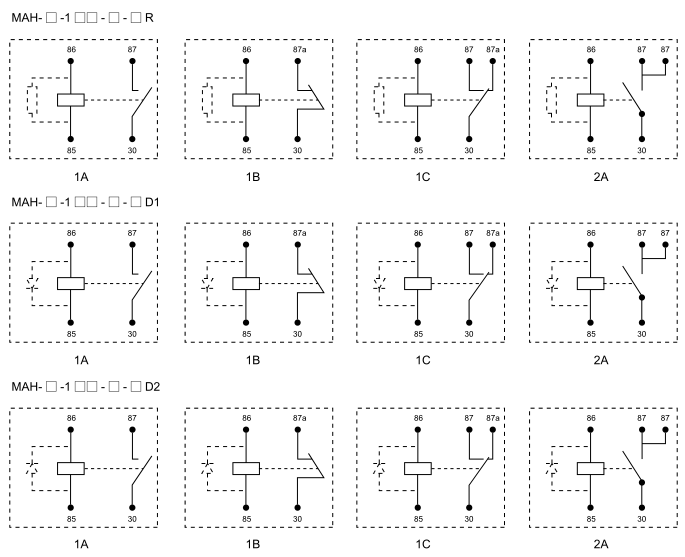
What is a Relay Circuit? A relay circuit is essentially an electrically operated switch that can be controlled by a low-power signal to control a higher-power circuit. Relays are often used in systems where a small current or low voltage control is required to turn on or off a much larger current or voltage in the load circuit. At the core of a relay is a coil that, when energized, creates a magnetic field. This magnetic field attracts or repels an armature that is mechanically linked to a set of contacts, thereby closing or opening the circuit. The primary function of a relay circuit is to provide electrical isolation between the controlling circuit (which might be low voltage or current) and the controlled circuit (which might handle higher voltage or current). This is important in protecting sensitive components and providing more efficient management of electrical signals.
Leave a Reply