The Dual Relay Module is an essential component in various electronics and automation projects. It serves as a bridge between low-voltage digital circuits, such as microcontrollers (Arduino, Raspberry Pi, ESP32), and high-voltage devices (e.g., lights, fans, motors). This article delves into the core functionality, application, and key considerations of using the Dual Relay Module in electronic systems.
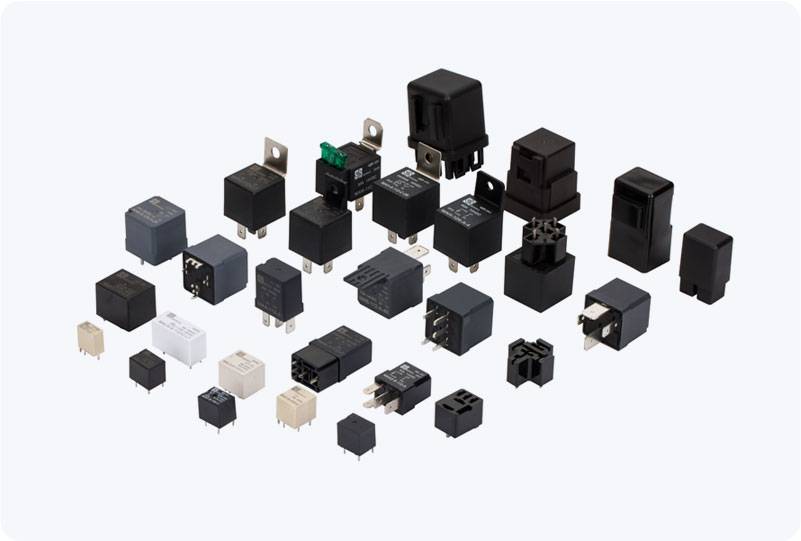
Understanding the Dual Relay Module A Relay is an electromechanical switch that allows you to control high-voltage electrical devices using low-voltage control signals. The Dual Relay Module is essentially a module that integrates two such relays, enabling you to control two devices simultaneously. This makes it an excellent choice for projects that require more than one controlled device, while still maintaining the convenience of a single module. The basic components of a Dual Relay Module include: Relays: Each relay typically has three terminals: Common (COM), Normally Open (NO), and Normally Closed (NC). When the relay is activated, the NO terminal connects to the COM terminal, completing the circuit for the external device. When the relay is deactivated, the NC terminal connects to the COM, allowing the control of another device.
Leave a Reply