The global valve market has experienced exponential growth in recent years, driven by the increasing demand for automation, safety, and precision in various industries. Among the most vital components of fluid control systems are ball valves, particularly the pneumatic ball valve. These valves are essential for controlling the flow of gases, liquids, and other materials in sectors such as oil and gas, water treatment, chemical manufacturing, and food processing. As one of the leading manufacturers of pneumatic ball valves, China has established itself as a key player in the global market. This article explores the rise of China pneumatic ball valve manufacturers, their innovation, quality, and contributions to the industry.
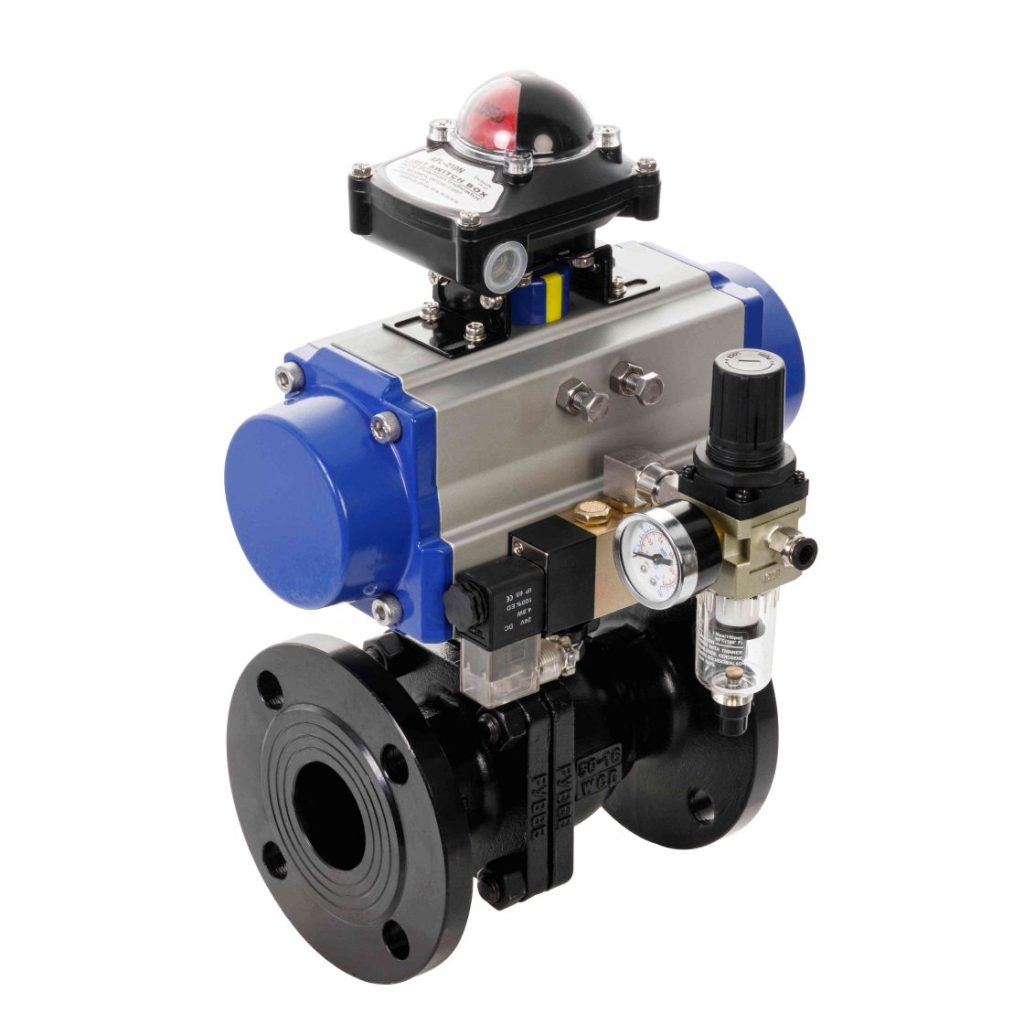
The Role of Pneumatic Ball Valves
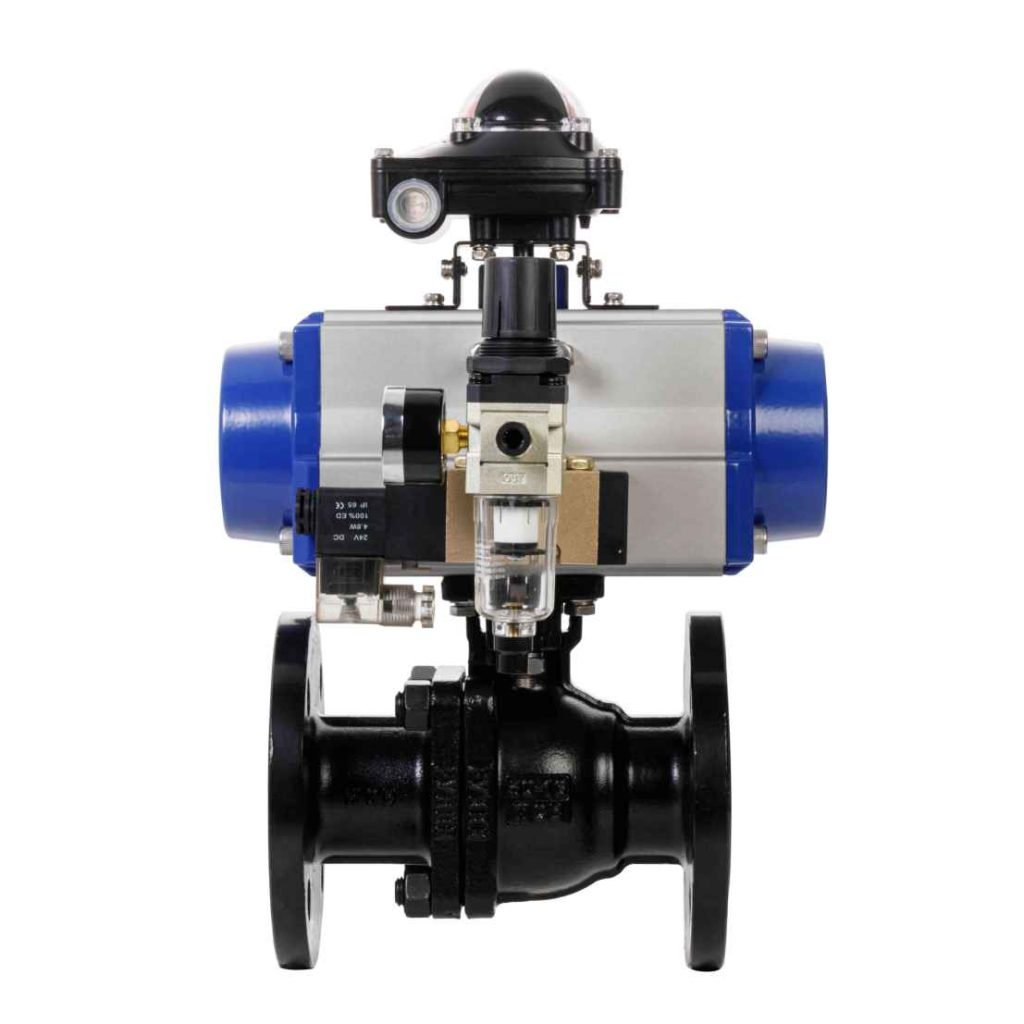
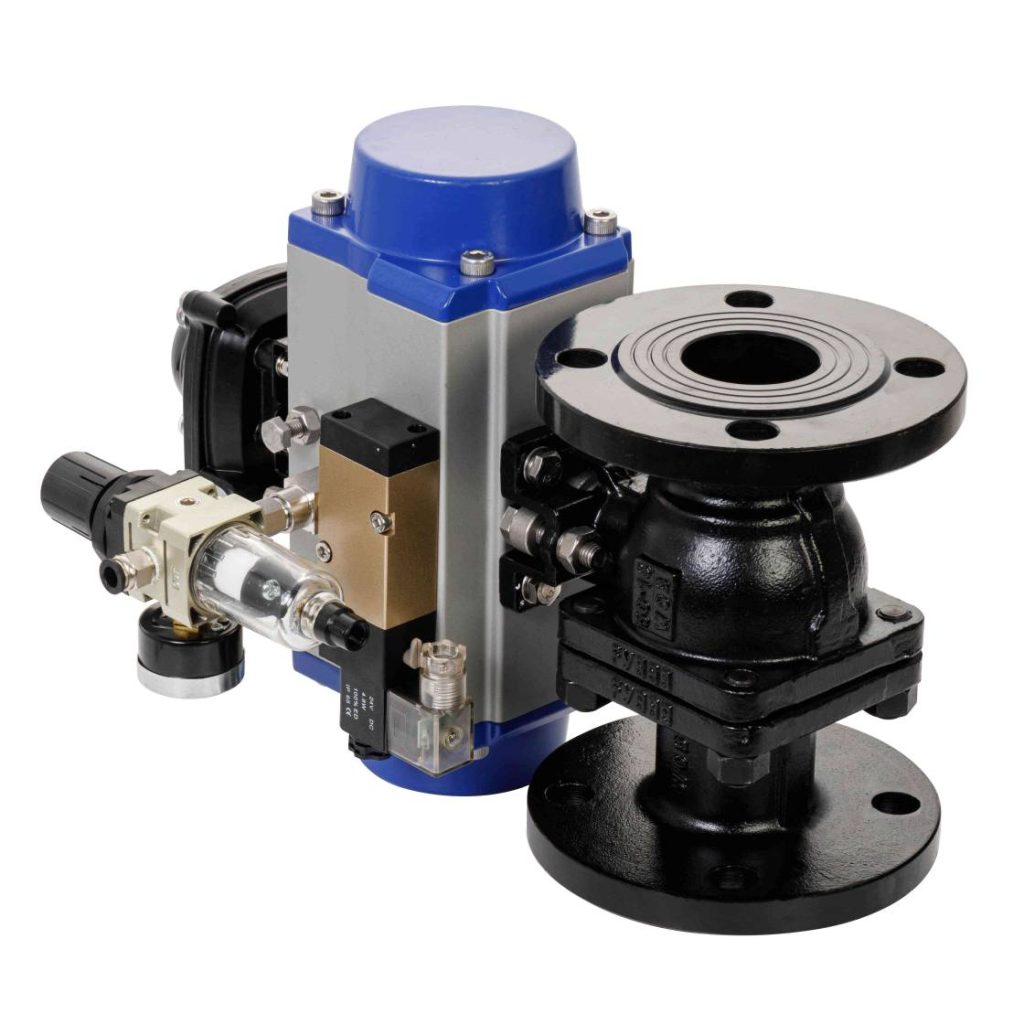
Pneumatic ball valves are mechanical devices that use compressed air to operate a ball with a hole or port, regulating the flow of fluid. These valves are known for their quick-response time, excellent sealing capability, and easy automation, making them highly suitable for high-pressure and high-temperature environments. They are commonly used in industries where precise control and efficient operation are crucial, such as chemical processing, power plants, and wastewater treatment facilities. The design of a pneumatic ball valve typically includes three main components: the valve body, the ball, and the pneumatic actuator. The actuator controls the rotation of the ball, allowing it to open or close, depending on the flow requirement. The quick-acting nature of the pneumatic actuator makes these valves particularly attractive in automated systems, where rapid, reliable responses are needed to prevent system failures or hazardous situations.
Leave a Reply