The EV Main Contactor Relay is a vital component in electric vehicle (EV) technology, playing a crucial role in the management of electrical systems, ensuring both efficiency and safety. As electric vehicles continue to grow in popularity, understanding the intricacies of these components becomes increasingly important. This article will explore the functions, working principles, and significance of the EV Main Contactor Relay, shedding light on its role in the future of transportation.
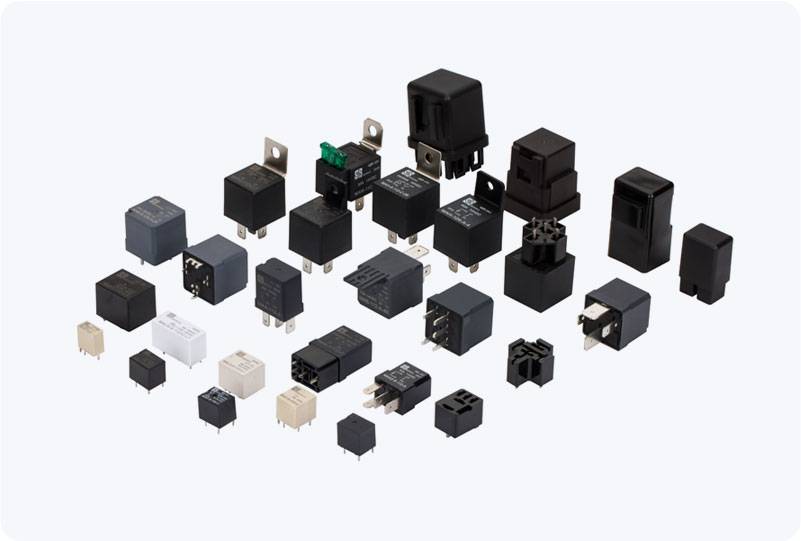
What is an EV Main Contactor Relay? At its core, the EV Main Contactor Relay is an electrical switch designed to manage the connection and disconnection of high-voltage circuits in electric vehicles. It connects the battery pack to the electric motor, acting as the main electrical gatekeeper. When engaged, the relay allows current to flow from the battery to the motor, enabling the vehicle to function. Conversely, when disengaged, it cuts off the power, ensuring safety during charging, maintenance, or in the event of a malfunction. Functions of the EV Main Contactor Relay Power Distribution: The main contactor relay is responsible for distributing high-voltage power from the battery to the electric motor. This allows for efficient operation of the motor, whether the vehicle is accelerating, decelerating, or cruising.
Leave a Reply