In modern industrial applications, efficiency and precision are paramount. One of the key components driving this level of automation and control is the electric valve. These valves are essential in numerous sectors such as oil and gas, water treatment, HVAC, chemical processing, and many more. By integrating electric valves into automated systems, industries can achieve smoother operations, better control, and increased safety. This article will explore the role of electric valves in modern automation, their types, benefits, and various applications.
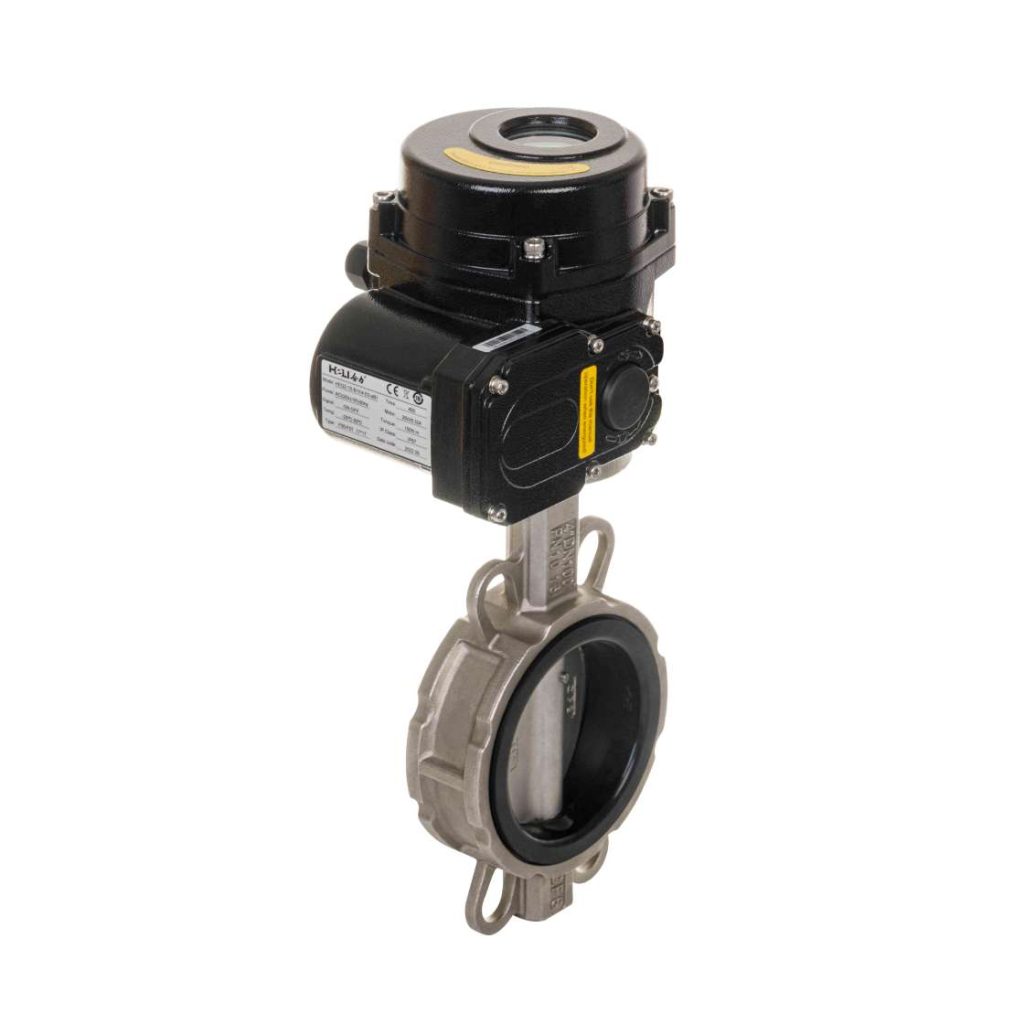
What is an Electric Valve?
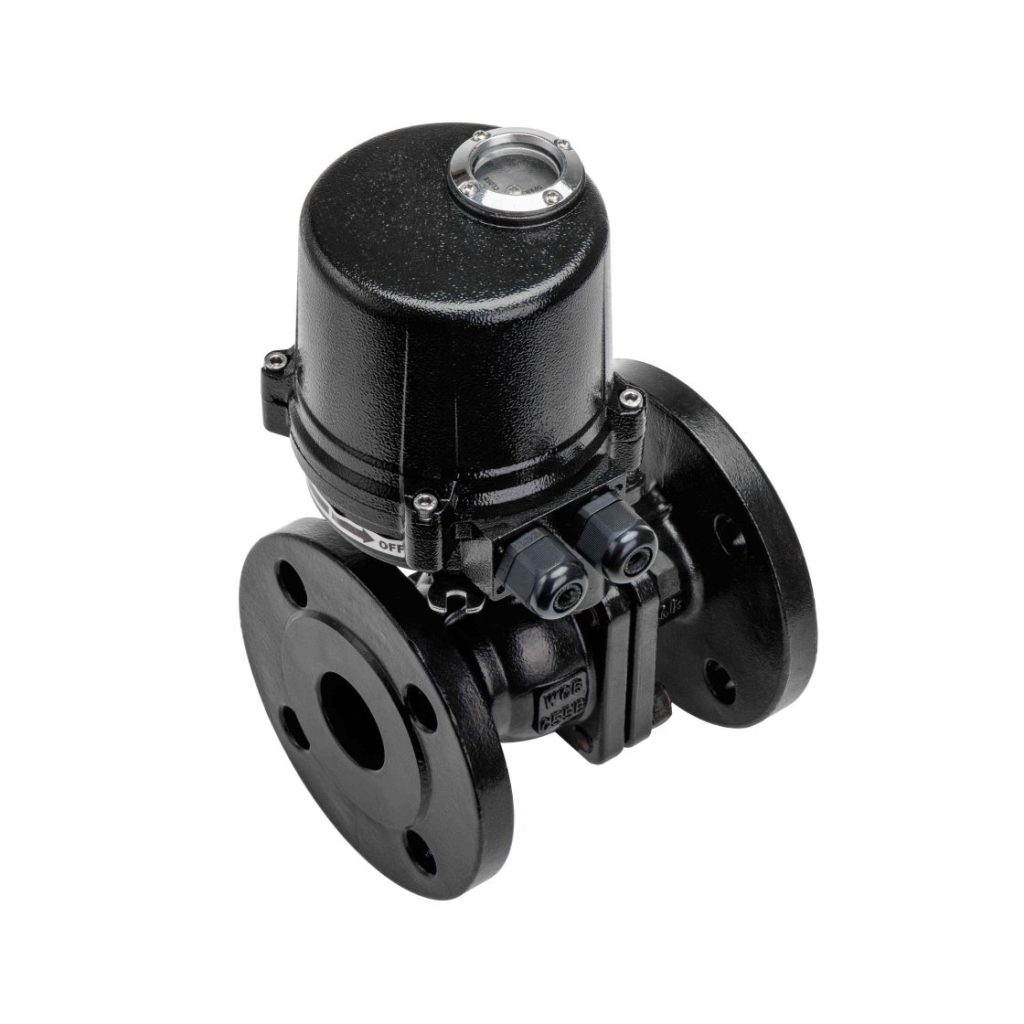
An electric valve is a type of valve that uses an electric actuator to control the opening and closing of the valve. The actuator is powered by electricity, and it receives a signal (typically from a remote control system or a PLC – programmable logic controller) to either open, close, or modulate the flow of a liquid, gas, or steam. The key benefit of electric valves lies in their ability to operate automatically, reducing the need for manual intervention and ensuring that processes are carried out with high accuracy and reliability. Components of an Electric Valve The basic components of an electric valve include the valve body (the actual valve that controls the flow), the actuator (which drives the valve), and a control mechanism (typically a control signal that dictates the valve’s operation). The electric actuator can be of various types, such as linear or rotary, depending on the specific function required by the valve. The control mechanism can range from simple open/close switches to more advanced proportional or modulating controls.
Leave a Reply