The Electric Flanged Butterfly Valve is an essential component in modern fluid control systems. Known for its efficient flow regulation and space-saving design, this valve is widely used in various industries such as water treatment, HVAC, and oil and gas. In this article, we will explore the design, operation, advantages, and applications of the electric flanged butterfly valve, highlighting why it is a preferred choice in automation and fluid control systems.
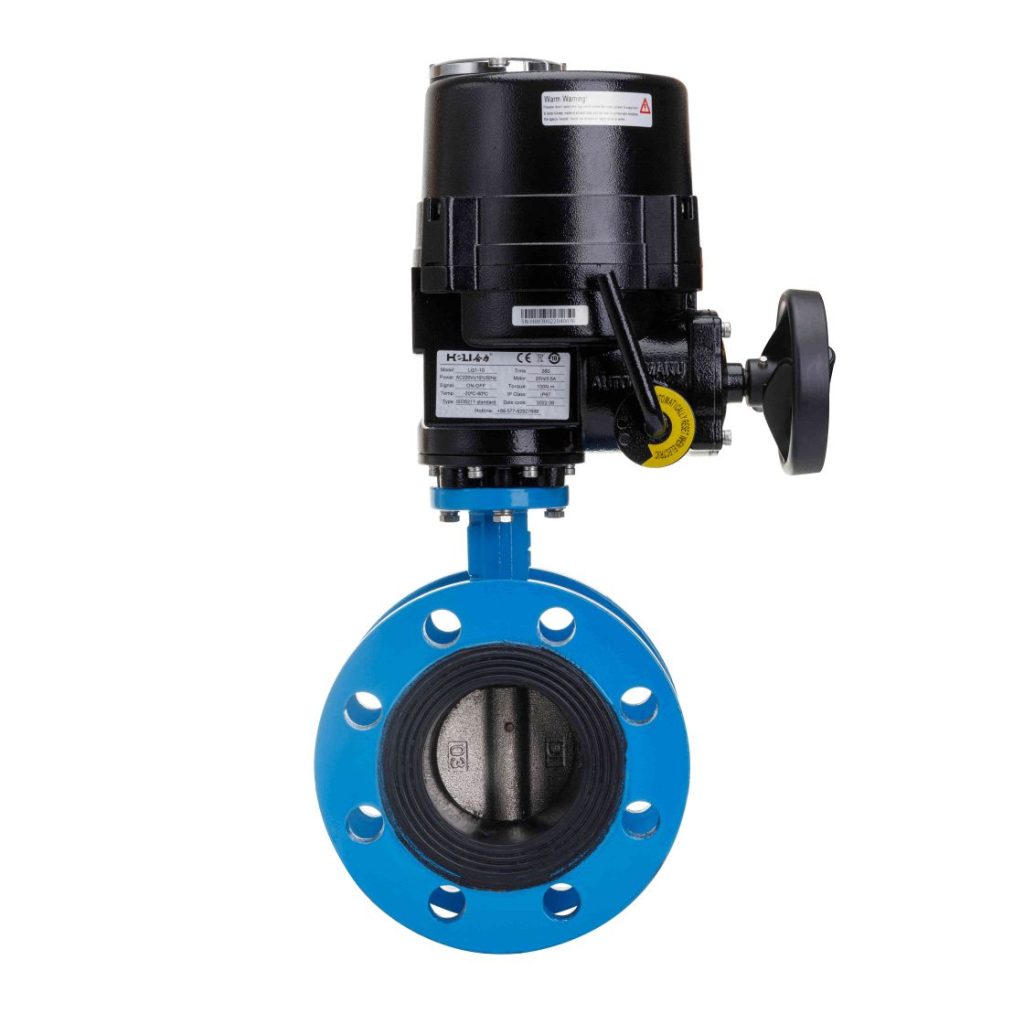
What is an Electric Flanged Butterfly Valve?
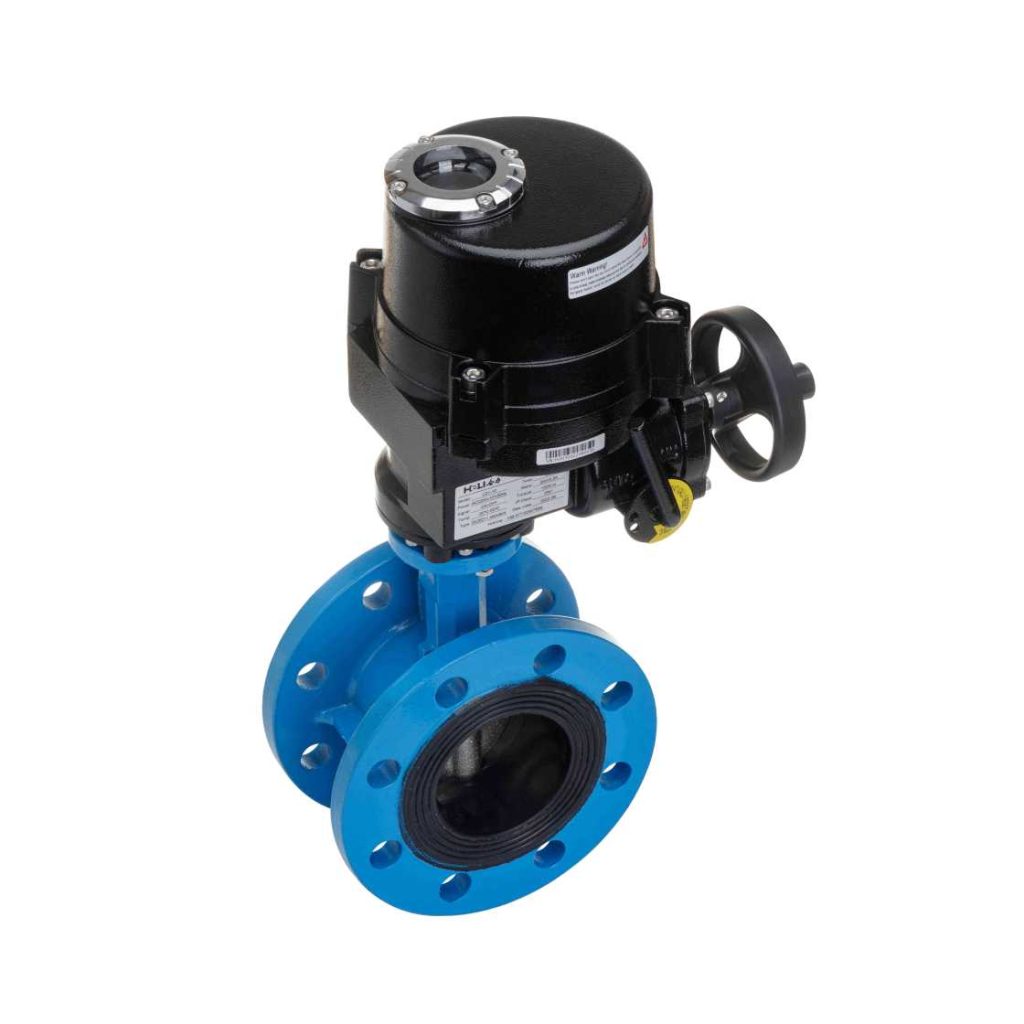
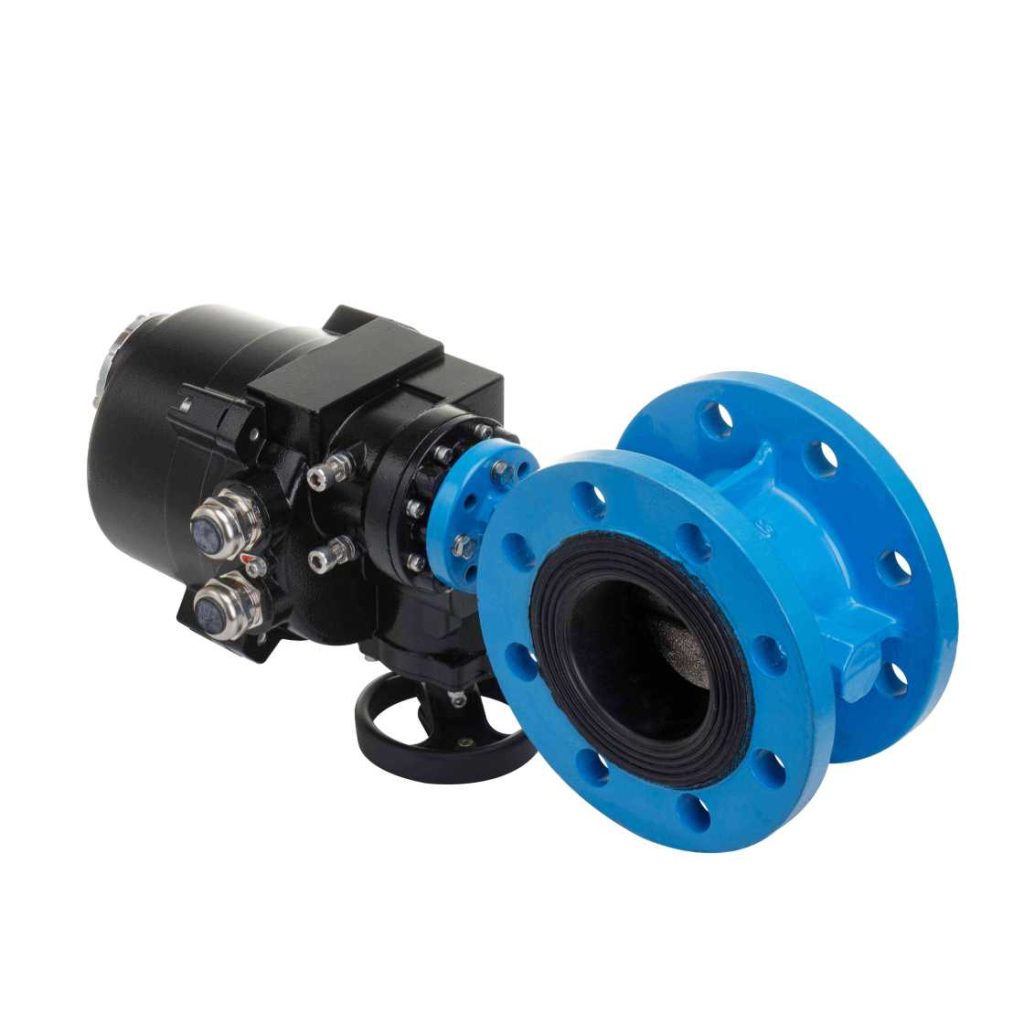
A flanged butterfly valve is a quarter-turn valve used to regulate or shut off the flow of a fluid in a pipeline. The electric version of this valve features an electric actuator that operates the valve, allowing for automatic control of the flow. The valve consists of several key components: the valve body, the butterfly disc, the electric actuator, and flanged connections for easy installation. The butterfly disc, which is positioned in the center of the valve, rotates to open or close the valve. When the valve is in the open position, the disc is parallel to the flow, allowing fluid to pass through. When the valve is closed, the disc is rotated 90 degrees to block the flow completely. The electric actuator, powered by an electric motor, turns the disc in response to control signals, either from a manual switch or an automated system, providing precise control of the flow.
Leave a Reply