Electric anti-corrosion ball valves are indispensable in industries where fluid control systems face harsh and corrosive environments. These valves combine the reliability of ball valves with the advanced technology of electric actuators, offering automated control and exceptional resistance to corrosion. As industries such as chemicals, oil, gas, food processing, and wastewater treatment continue to evolve, the need for specialized equipment to ensure both performance and longevity has never been more critical. The electric anti-corrosion ball valve addresses these challenges, providing an efficient solution for controlling fluid flow in demanding conditions.
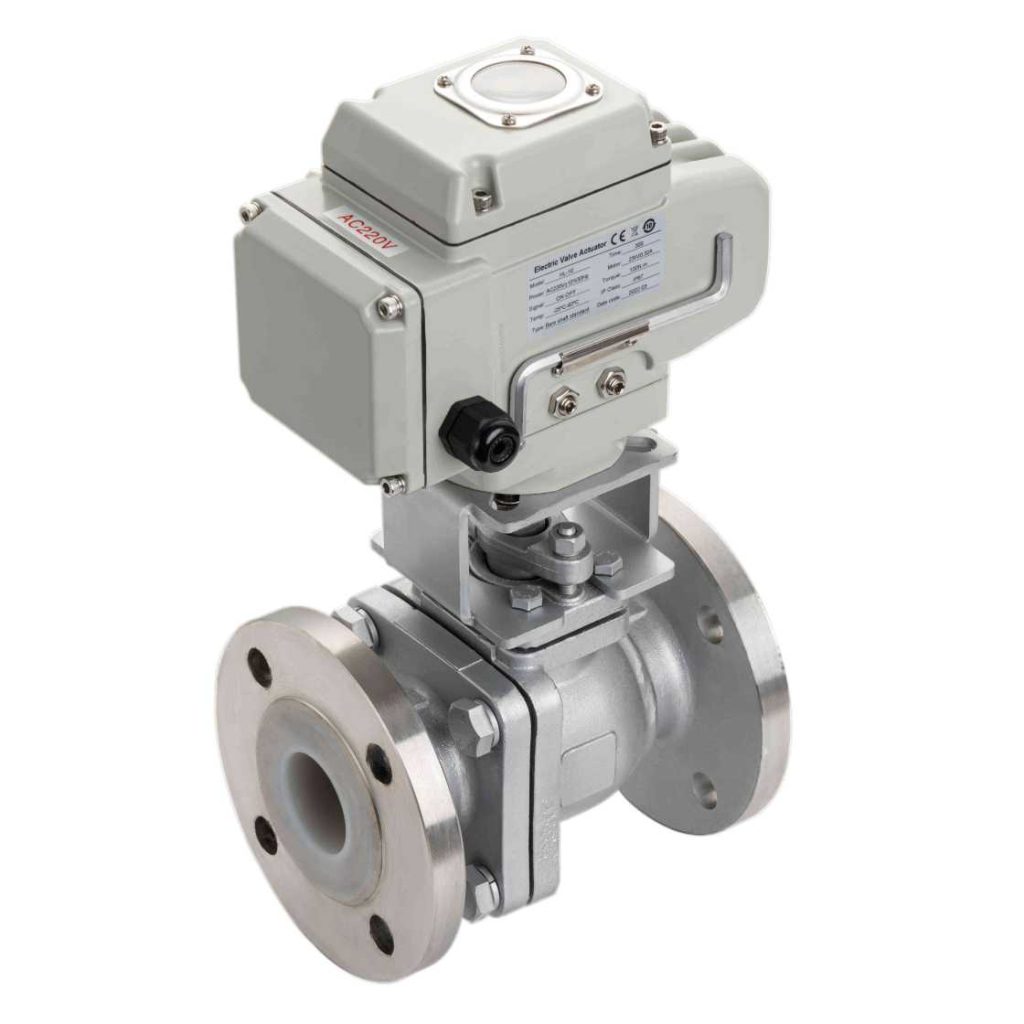
What is an Electric Anti-Corrosion Ball Valve?
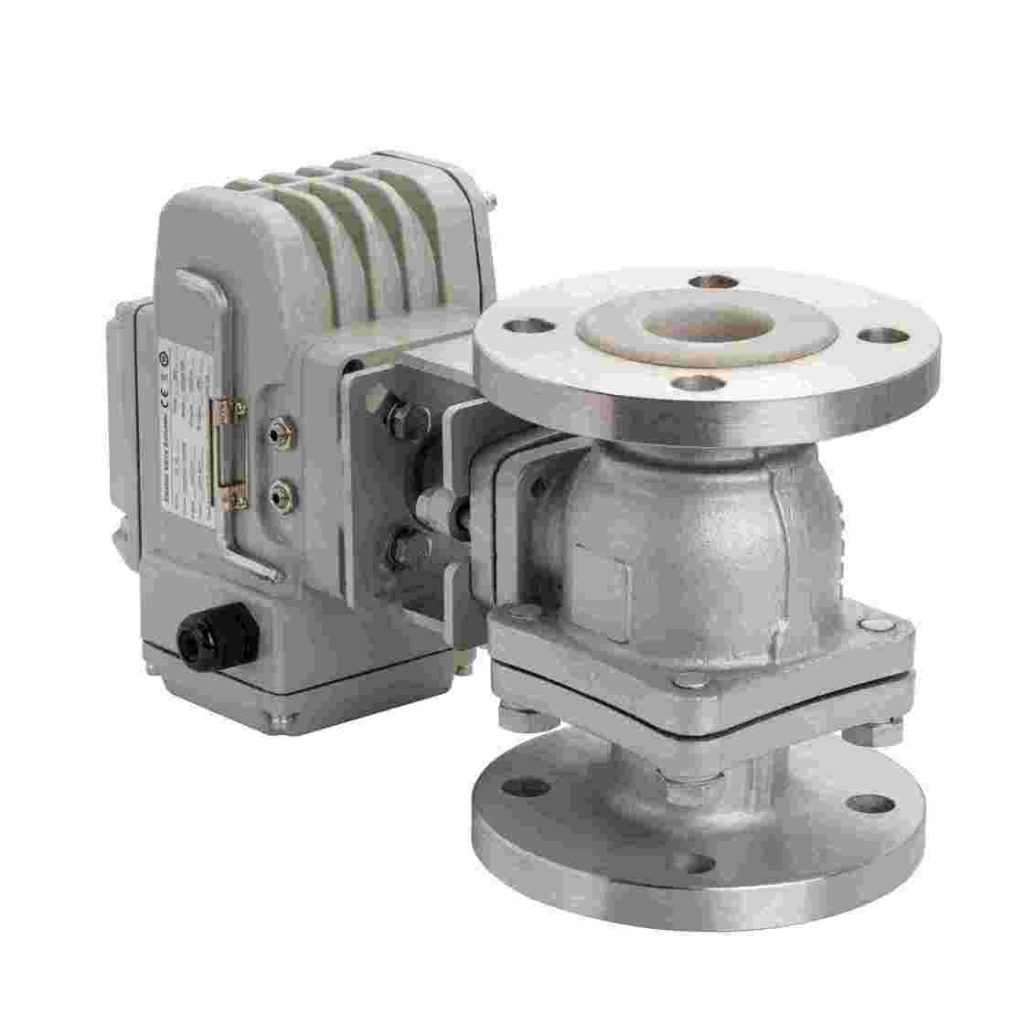
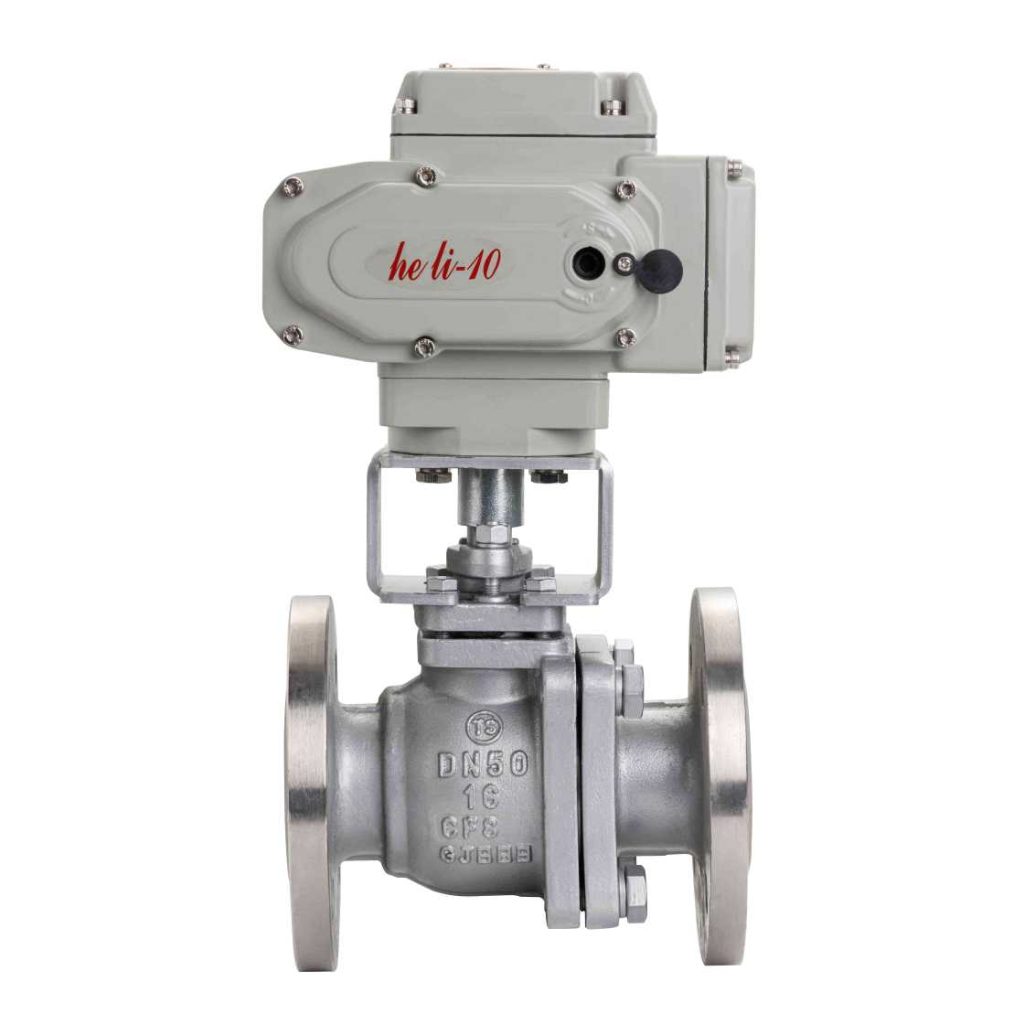
An electric anti-corrosion ball valve is a type of valve that utilizes an electric actuator to control the opening and closing of a ball valve, which is designed with corrosion-resistant materials. The ball valve mechanism itself is characterized by a hollow, perforated, and pivoting ball. When the valve is open, the hole in the ball aligns with the flow path, allowing fluid to pass through; when closed, the ball blocks the flow path. The electric actuator provides automated control of this process, making it ideal for remote operations or integration into automated systems. The key feature of this valve is its anti-corrosion properties. The valve body, ball, and seals are typically made from materials such as stainless steel, PTFE (polytetrafluoroethylene), or fluoroplastic coatings. These materials are selected for their ability to resist the corrosive effects of aggressive chemicals, extreme temperatures, and harsh environmental conditions.
Leave a Reply