Electric anti-corrosion ball valves are a critical component in industries that deal with corrosive fluids, offering a reliable solution for fluid control in harsh environments. These valves combine the functionality of a ball valve with the power of an electric actuator, providing precise control over the flow of various fluids, including highly corrosive chemicals, acids, and salts. In this article, we will explore the construction, working principles, applications, and advantages of electric anti-corrosion ball valves.
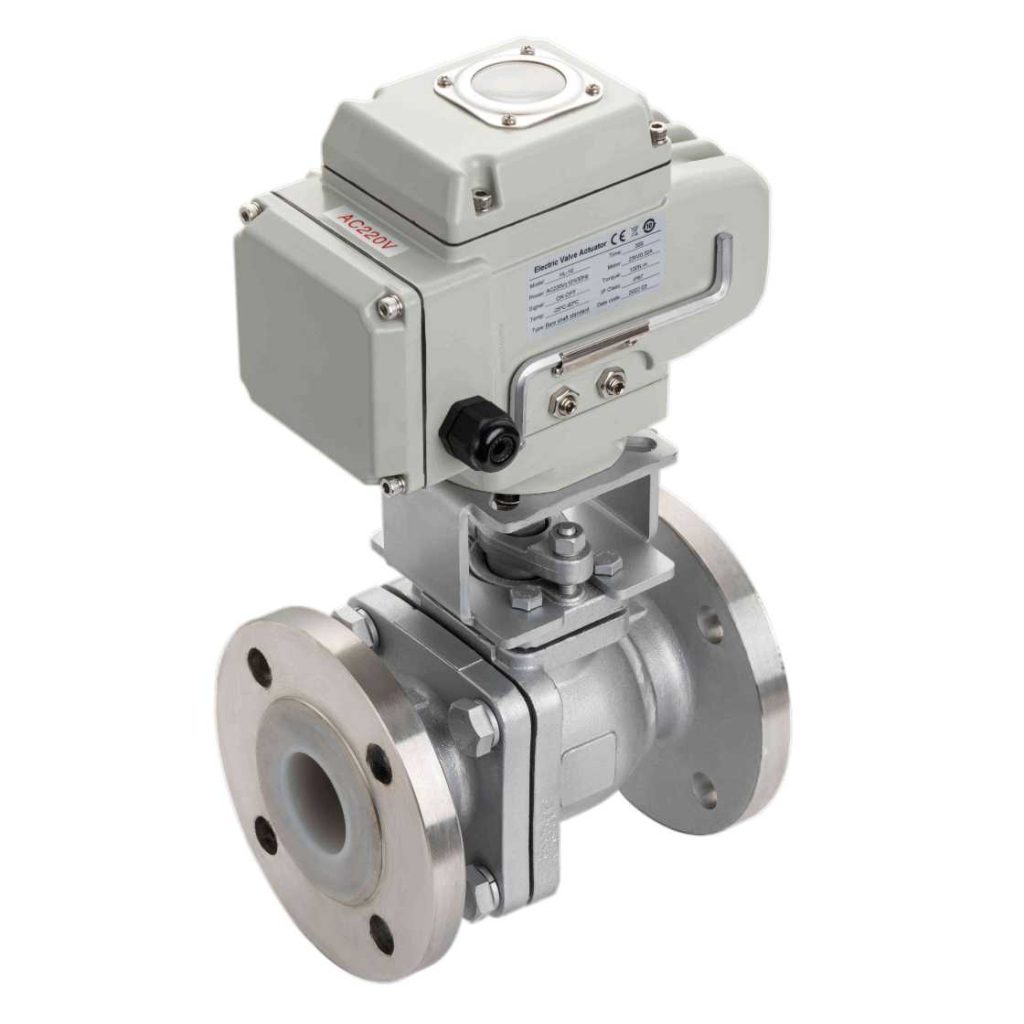
1. What is an Electric Anti-Corrosion Ball Valve?
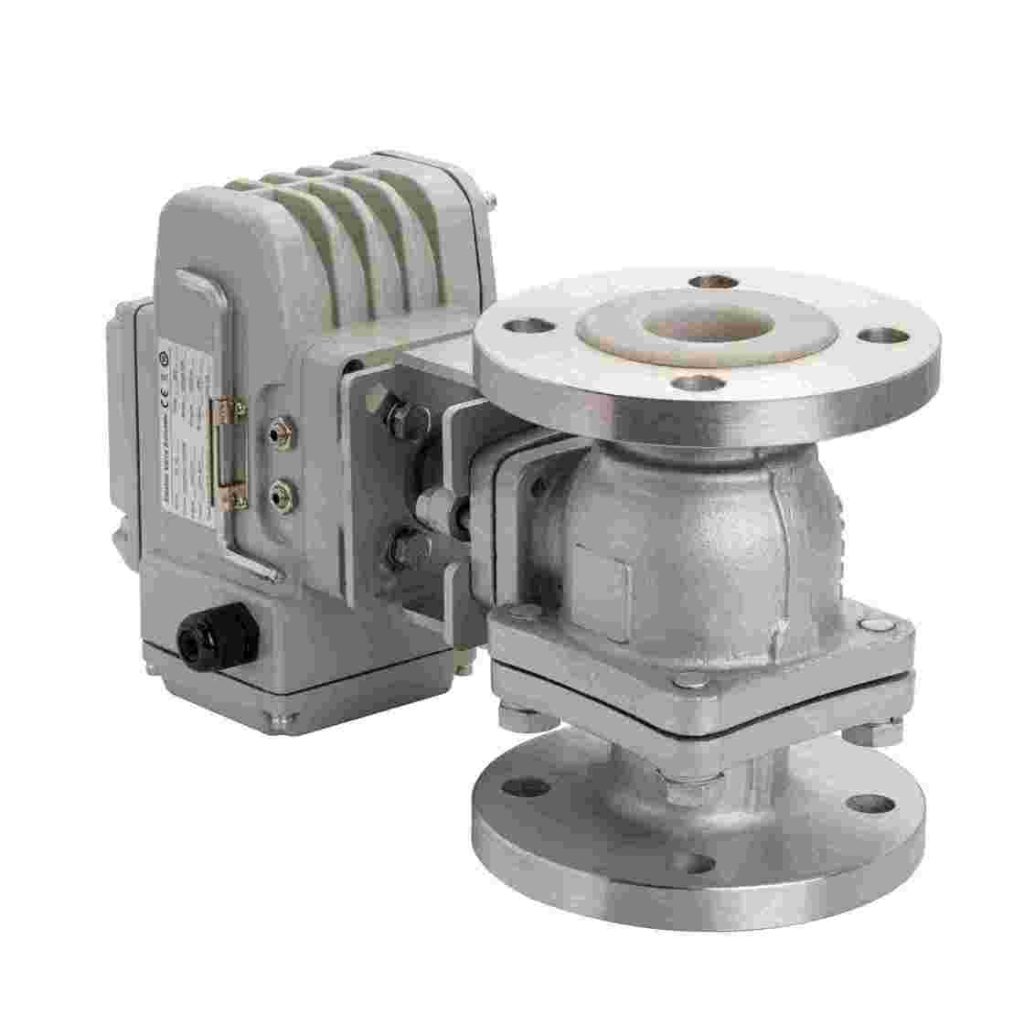
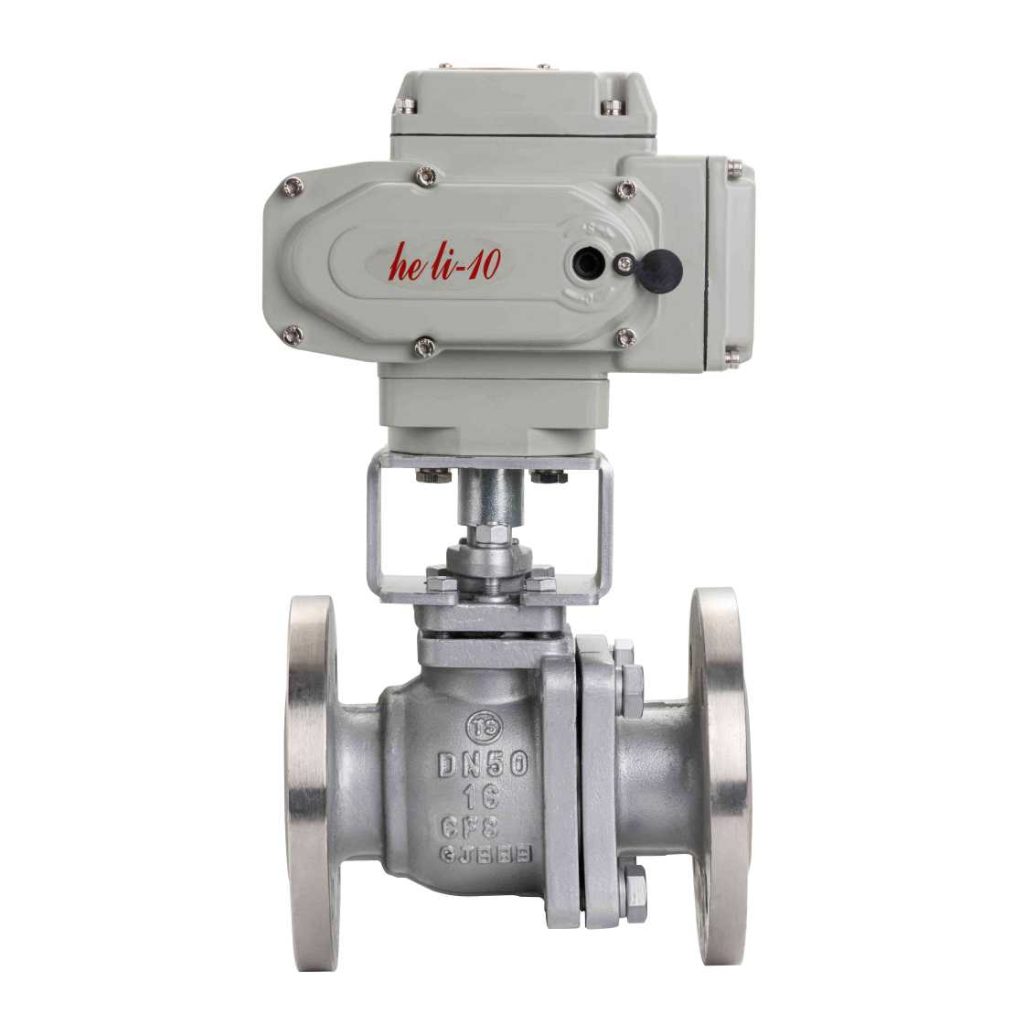
An electric anti-corrosion ball valve consists of two main components: a ball valve body and an electric actuator. The ball valve body is designed with materials that can withstand corrosion from aggressive chemicals and other harsh fluids. The electric actuator, powered by electricity, operates the valve by rotating the ball inside the valve body. The rotation of the ball adjusts the flow of the fluid passing through the valve, either by opening or closing the valve completely or by regulating the flow in a modulating fashion. The key feature of these valves is their ability to resist corrosion. This makes them ideal for industries such as chemical processing, water treatment, pharmaceuticals, and food production, where corrosive liquids and gases are often involved.
Leave a Reply