A Direct Acting Solenoid Valve is a type of electromagnetic valve that directly controls the flow of fluids, gases, or other substances in a system without the need for external pressure. It works by using the force of a solenoid (an electromagnetic coil) to move a valve mechanism, allowing or stopping the passage of the medium. These valves are widely used in various industries for precise control of fluid and gas flow, and their design makes them versatile and reliable, especially for applications where quick response times and low pressure are involved.
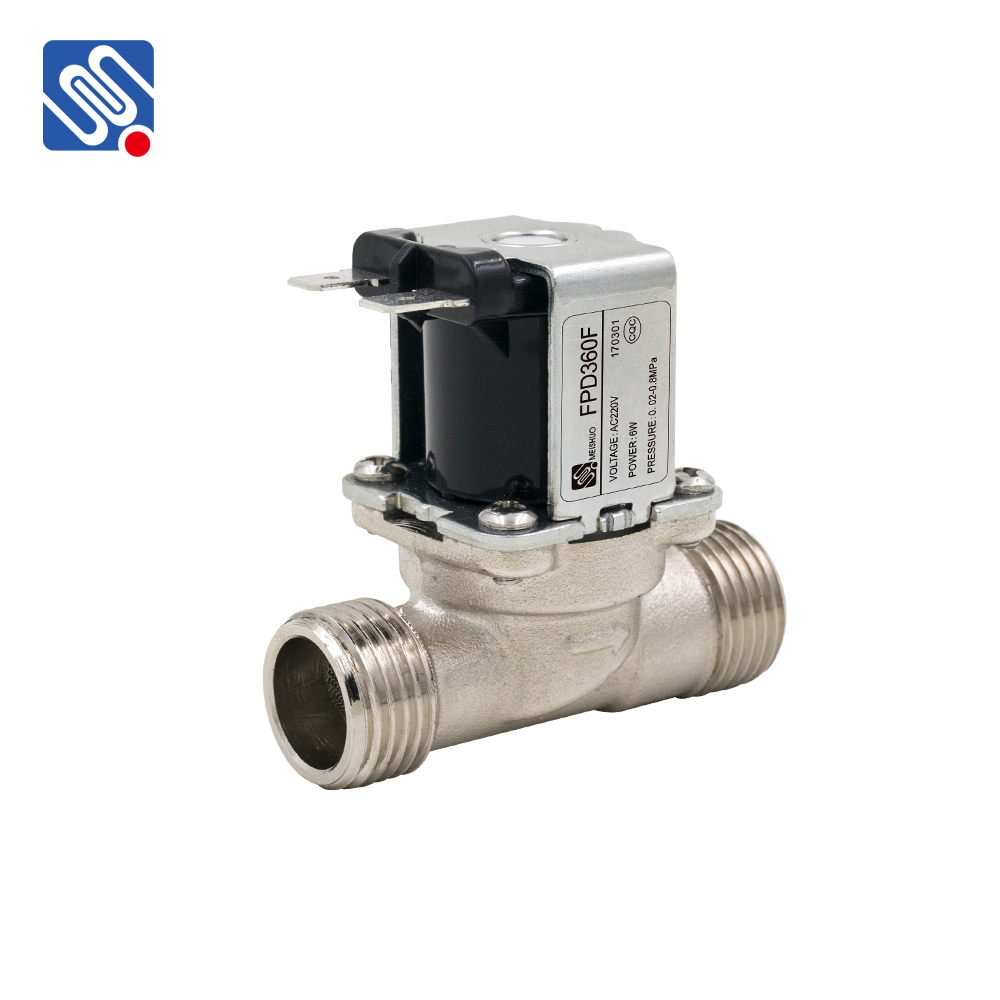
Working Principle of Direct Acting Solenoid Valves At the heart of the Direct Acting Solenoid Valve is the solenoid coil, which, when electrically energized, creates a magnetic field that attracts the valve plunger. The movement of the plunger opens or closes the valve to allow or stop the flow of the medium. The valve’s design is simple yet effective: when the solenoid is powered, it creates enough force to overcome any opposing forces (such as a spring) and physically moves the valve into an open or closed position. The key distinction of a direct acting valve is that it does not rely on system pressure to function. This is in contrast to pilot-operated solenoid valves, which require the pressure of the medium to assist in valve operation. In direct acting valves, the solenoid force itself is sufficient to control the valve’s state, making them ideal for low-pressure environments or situations where immediate control is required.
Leave a Reply