A Current Overload Relay is a critical component in modern electrical systems, designed to safeguard electrical devices, particularly motors, from the potentially destructive effects of overcurrent conditions. In industrial, commercial, and residential settings, the reliability and longevity of electrical equipment largely depend on proper protection against overloads. This device serves as a first line of defense, ensuring that circuits operate within safe current limits and preventing damage that could result from sustained excessive currents.
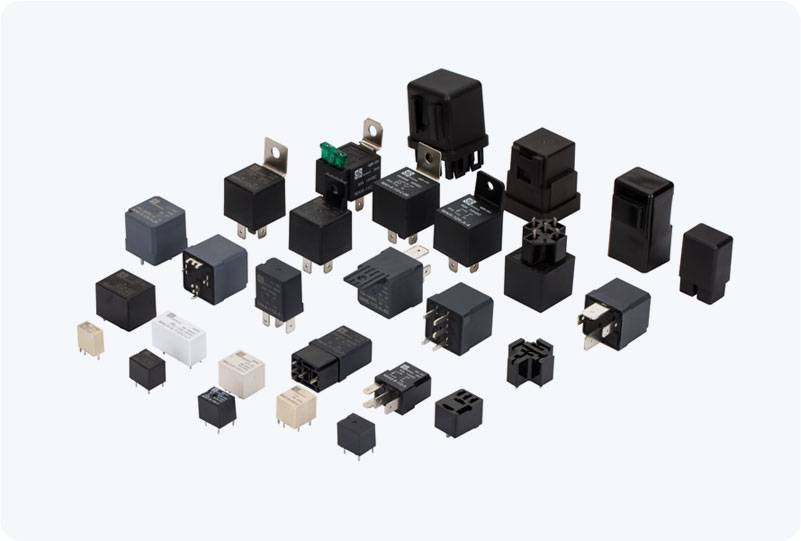
The primary function of a Current Overload Relay is to monitor the current flowing through an electrical circuit and disconnect the load when the current exceeds a predetermined threshold. Overcurrent conditions may arise due to various reasons, including mechanical overload, electrical faults, or abrupt changes in operational conditions. By detecting these excessive currents, the relay interrupts the power supply, thereby preventing overheating, insulation damage, and potential fire hazards. This protective role is particularly vital for motors, which can suffer severe winding damage if subjected to prolonged overloads.
Leave a Reply