The WCB Electric Butterfly Valve is a pivotal component in various industrial systems, offering a reliable and efficient solution for fluid flow control. Characterized by its compact design, ease of operation, and cost-effectiveness, the WCB Electric Butterfly Valve is widely used in diverse sectors including water treatment, chemical processing, HVAC systems, and more. In this article, we will delve into the features, advantages, applications, and working principles of the WCB Electric Butterfly Valve, shedding light on why it is a preferred choice for many industries.
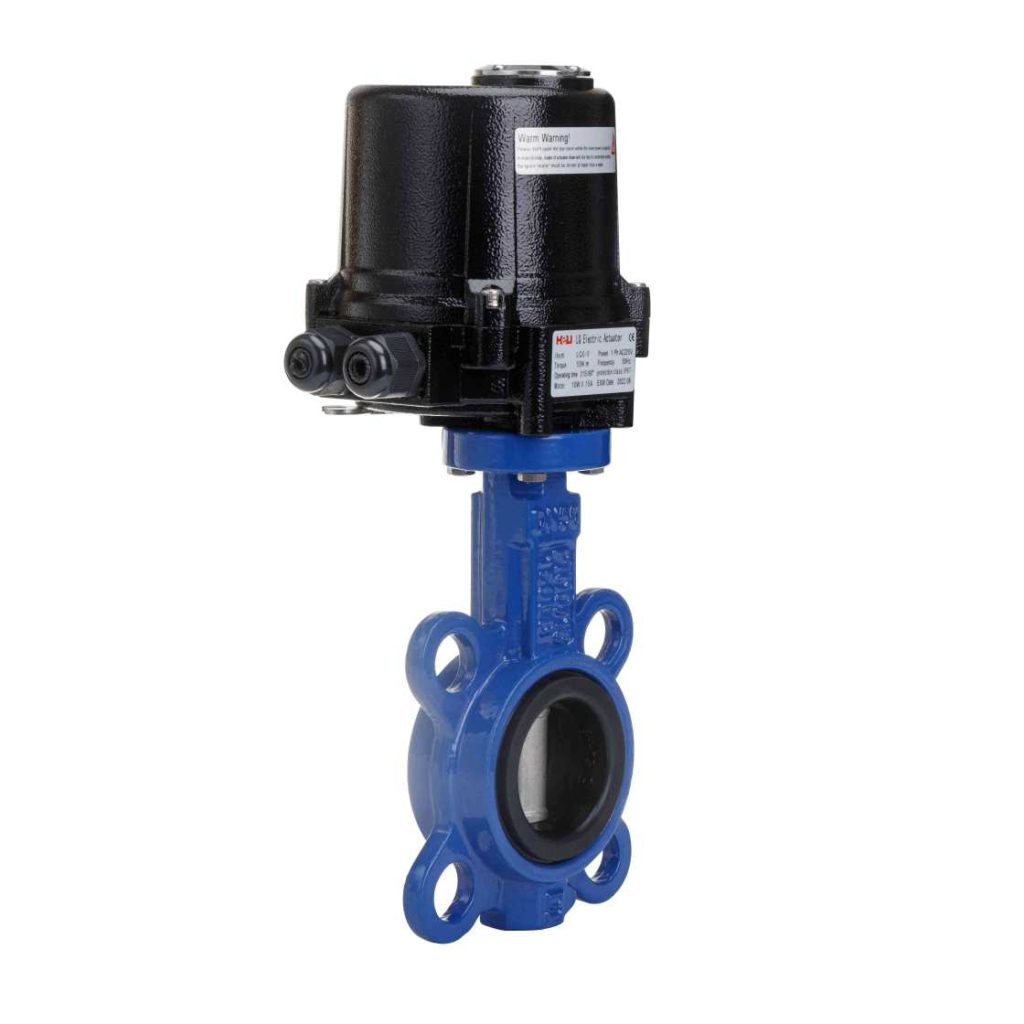
What is a WCB Electric Butterfly Valve?
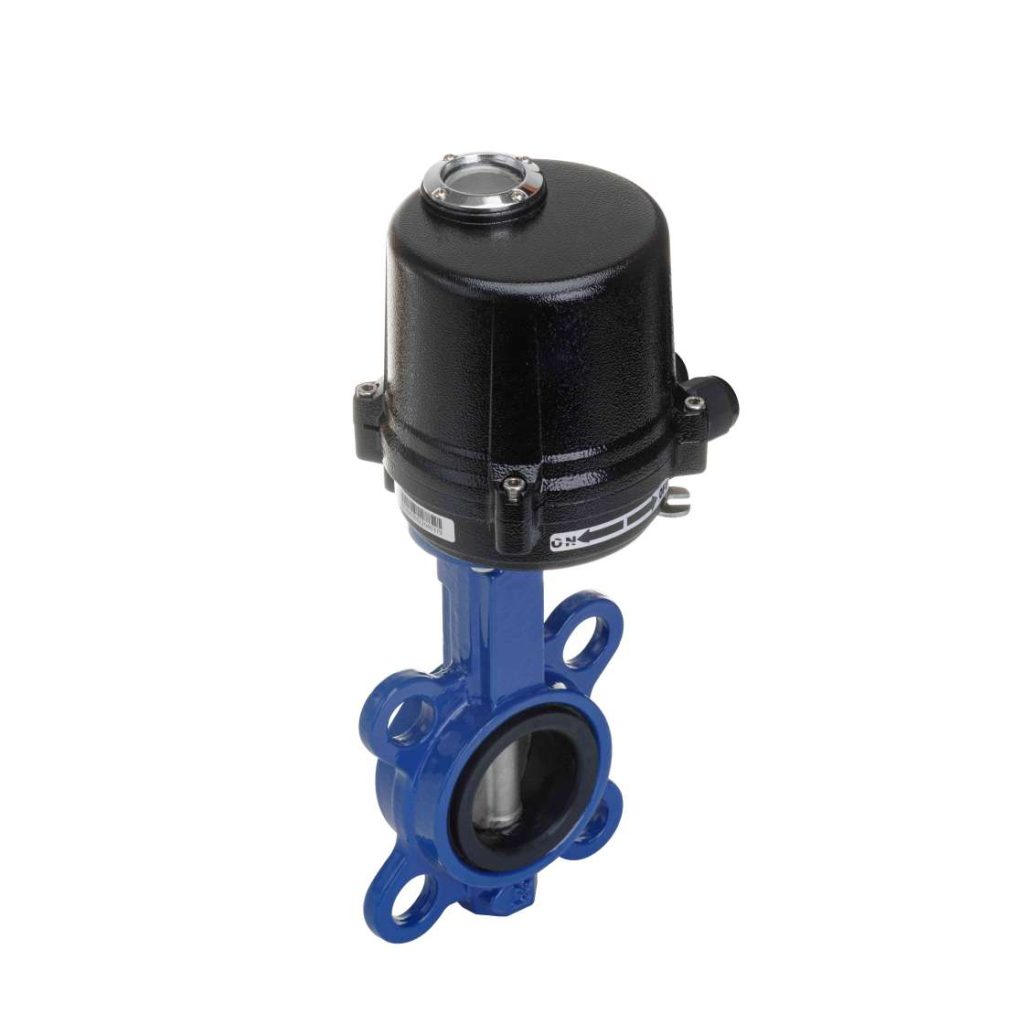
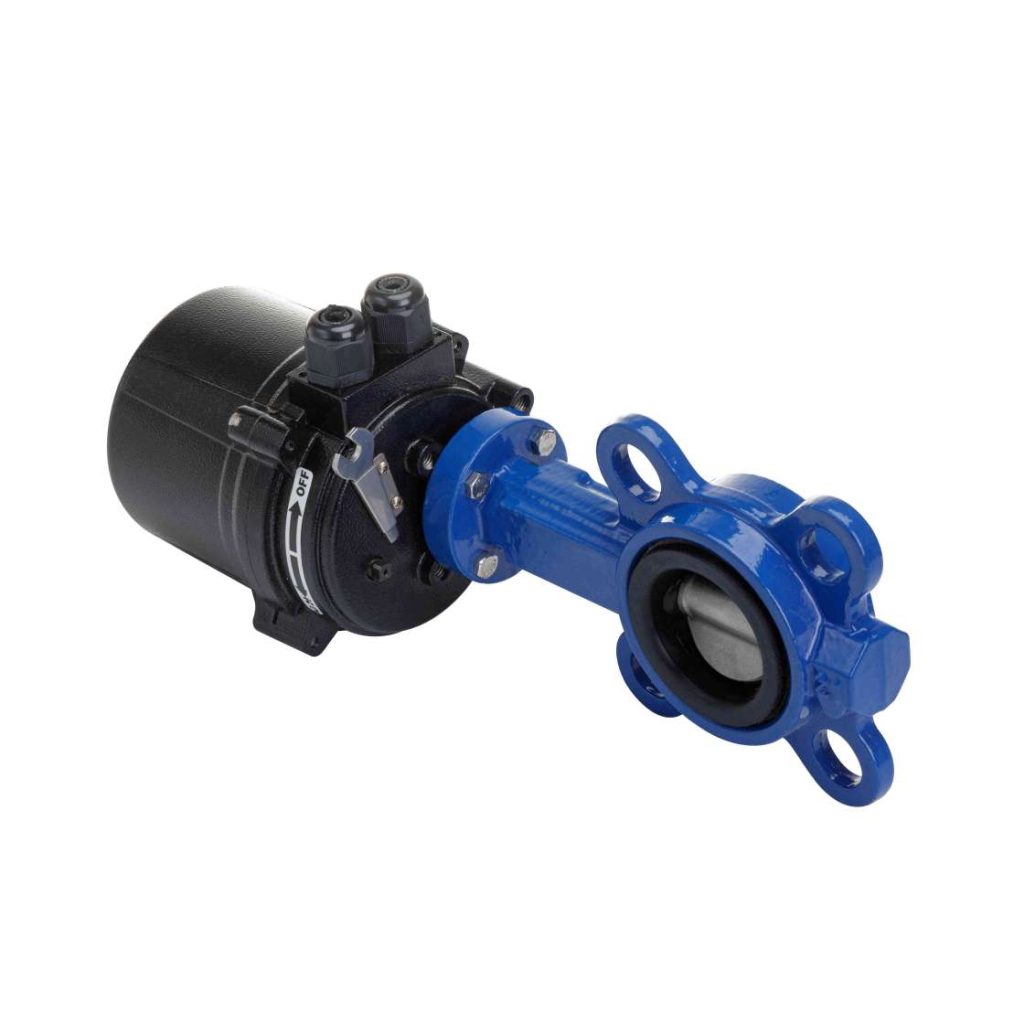
A WCB Electric Butterfly Valve is a type of valve that uses a rotating disc (or “butterfly”) to regulate the flow of fluids in pipelines. The term “WCB” refers to the material used in the construction of the valve body – W stands for carbon steel and CB for cast, meaning the valve body is made from cast carbon steel. This material offers superior strength, durability, and resistance to wear, making it suitable for medium to low-pressure applications. The “electric” part refers to the electric actuator that drives the valve. The electric actuator allows for automatic control of the valve, making it ideal for remote operation and integration into automated systems. The valve can be operated either as a simple on/off switch or for more sophisticated flow control through modulating capabilities.
Leave a Reply