In modern electrical systems, the safety and reliability of equipment are paramount. To ensure that electrical circuits remain protected from damage caused by overloads or short circuits, engineers and designers often rely on sophisticated components such as the Circuit Breaker Power Relay. This device plays an essential role in safeguarding electrical circuits by combining the protective capabilities of a circuit breaker and the monitoring functionality of a relay. In this article, we will explore the functions, features, and applications of the Circuit Breaker Power Relay, shedding light on its critical role in preventing electrical hazards.
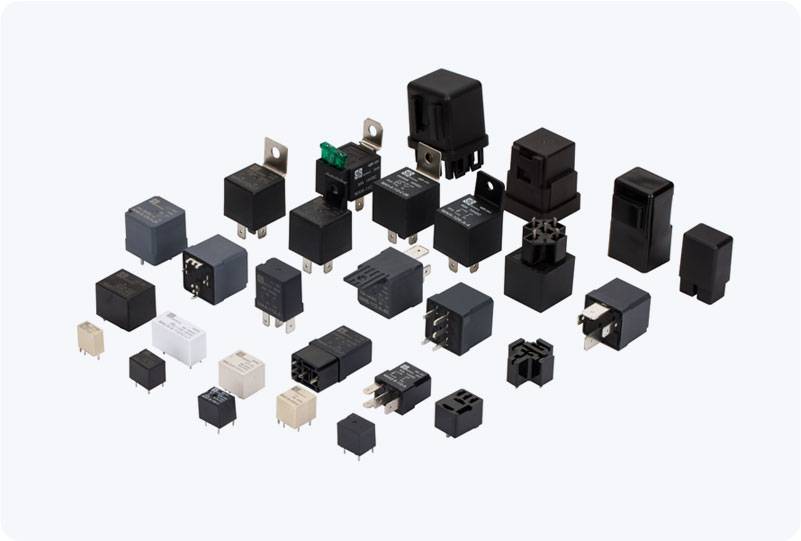
What is a Circuit Breaker Power Relay? A Circuit Breaker Power Relay is a hybrid device that integrates the function of a circuit breaker, which disconnects the electrical circuit in case of fault, and a relay, which continuously monitors the electrical current. It serves as an automatic protective switch that disconnects the power supply when a dangerous situation, such as an overload or short circuit, is detected. Unlike traditional circuit breakers, which operate solely as an on-off switch, the Circuit Breaker Power Relay continuously monitors the power flow and intervenes only when necessary, ensuring the system remains functional under normal conditions and safe during fault conditions.
Leave a Reply