Safety is a critical aspect of any industrial operation, particularly when dealing with high-risk environments such as manufacturing plants, chemical processing facilities, or oil and gas industries. In these settings, maintaining control over equipment and ensuring that valves do not accidentally open during maintenance or operational changes is vital. Safety valve locks, which are designed to prevent accidental valve activation, have become a standard safety tool in many industries. This article delves into the role of safety valve locks, why manufacturers need them, and how to find the best price without compromising on quality.
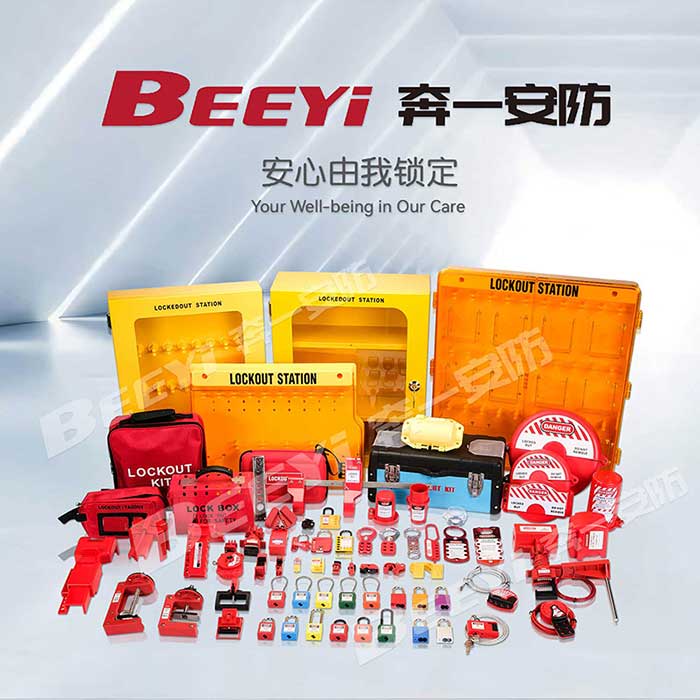
Understanding Safety Valve Locks Safety valve locks are devices designed to secure valves in a closed or locked position, preventing unauthorized personnel from accidentally or intentionally altering valve settings. These locks are essential for ensuring that valves, particularly in hazardous environments, are not operated unintentionally. For instance, in the oil and gas sector, opening a valve without proper authorization or oversight could result in catastrophic accidents, including leaks, spills, or explosions. Typically, these locks come in various forms to accommodate different types of valves. Some common examples include padlocks for manual valves, and more complex mechanical or electronic systems for automated valves. Regardless of the type, the function remains the same: to keep the valve in a secure, tamper-resistant state during maintenance, inspections, or when valves are not in use.
Leave a Reply