Automotive relays are essential components in car electrical systems, enabling the control of various electrical devices with minimal input from the driver or control circuits. These small yet powerful devices facilitate the operation of systems such as headlights, fuel pumps, and power windows. At the heart of each relay is its coil, which serves as the electromagnetic actuator. Understanding the specifications of automotive relay coils is crucial for selecting the right relay for a specific application. This article outlines the key features and specifications of automotive relay coils.
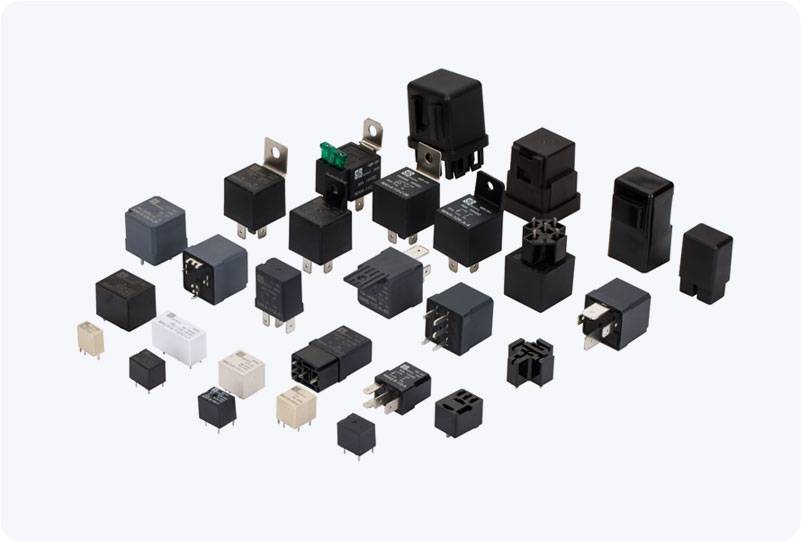
1. Coil Voltage The coil voltage is one of the primary specifications of an automotive relay coil, as it dictates the operating voltage required to energize the relay. Most automotive relays are designed for either 12V or 24V systems. A 12V relay is typically used in standard passenger vehicles, while 24V relays are commonly found in commercial vehicles and heavy-duty trucks. Choosing the correct voltage is critical, as an incorrect voltage can lead to either insufficient operation or damage to the relay. 2. Coil Current The coil current specification indicates the amount of current that flows through the relay coil when energized. This parameter is typically measured in milliamps (mA) or amps (A). Automotive relay coils generally consume between tens to several hundred milliamps. The coil current directly influences the relay’s response time and overall energy efficiency. Users must consider the current rating to ensure that the relay can be activated by the control circuit without risking overload.
Leave a Reply