Automotive relays are integral components in modern vehicle electrical systems. They allow the control of various functions, such as lights, power windows, and engine components, by using a small control voltage to switch larger electrical loads. The relay coil, the electromagnetic component that energizes the relay, plays a critical role in this switching process. Understanding automotive relay coil specifications is essential for ensuring the relay operates efficiently and reliably under different automotive conditions. In this article, we will explore the key specifications that determine the performance and suitability of automotive relay coils.
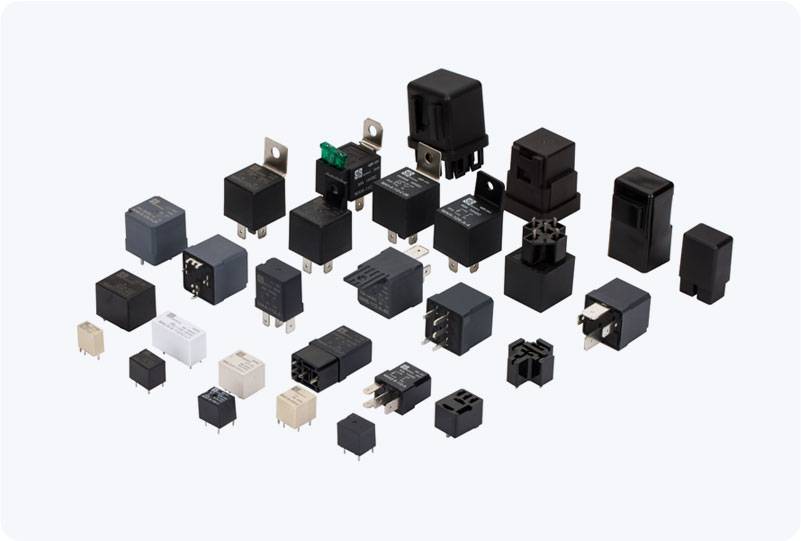
Coil Voltage: The Heart of Relay Activation The coil voltage is perhaps the most fundamental specification when selecting an automotive relay. It refers to the voltage required to energize the coil and close the relay contacts, thus enabling the relay to function. In most vehicles, 12V DC is the standard coil voltage for relays, as it matches the typical voltage provided by the car battery. Some larger vehicles, such as trucks, may use 24V DC relays. It is critical that the relay coil voltage matches the system voltage to avoid malfunction or damage. In some special cases, relays with coil voltages of 5V or 6V may also be used for specific applications in smaller circuits.
Leave a Reply