In the bustling industrial landscape of China, chemical plants play a pivotal role in the country’s economic growth. These facilities, however, come with their own set of challenges, especially when it comes to safety. One crucial tool that has gained significant importance in this context is the ATEX tactical flashlight. This article delves into the significance of ATEX tactical flashlights in chemical plants in China, exploring their features, benefits, and the regulatory landscape surrounding them.
**Introduction**
Chemical plants are complex environments where various hazardous substances are handled and processed. Ensuring the safety of workers and preventing accidents is of paramount importance. One of the key safety measures in such environments is the use of ATEX-compliant equipment, including flashlights. ATEX stands for “ATmosphères Explosibles,” and ATEX-compliant equipment is designed to be safe in potentially explosive atmospheres.
**Understanding ATEX Tactical Flashlights**
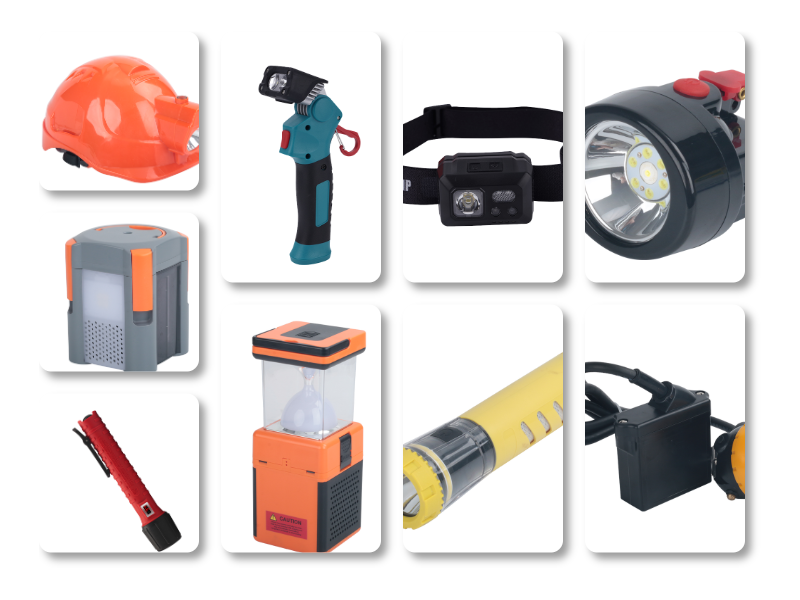
ATEX tactical flashlights are specialized flashlights designed to operate safely in environments where flammable gases, vapors, or dust may be present. These flashlights are engineered to prevent the ignition of sparks, which could lead to explosions or fires. They are a crucial tool for workers in chemical plants, providing them with illumination without compromising safety.
**Features of ATEX Tactical Flashlights**
ATEX tactical flashlights come with several features that make them ideal for use in chemical plants:
1. **Intrinsically Safe Design**: These flashlights are designed to prevent the generation of sparks or heat that could ignite flammable substances. They achieve this through a combination of materials and design principles.
2. **Impact and Water Resistance**: Chemical plant environments can be harsh, with potential for drops and exposure to water. ATEX tactical flashlights are built to withstand such conditions, ensuring they remain functional when needed most.
3. **Long Battery Life**: Given the critical nature of these flashlights, manufacturers focus on providing long-lasting batteries. This ensures that workers have reliable illumination throughout their shift.
4. **Durable Construction**: The materials used in ATEX tactical flashlights are chosen for their durability and resistance to chemicals and other substances commonly found in chemical plants.
**Benefits of Using ATEX Tactical Flashlights in Chemical Plants**
The use of ATEX tactical flashlights in chemical plants offers several benefits:
1. **Enhanced Safety**: By providing a safe source of light, these flashlights help prevent accidents and injuries in potentially hazardous environments.
2. **Improved Productivity**: Workers can perform their tasks more efficiently when they have reliable illumination, leading to increased productivity.
3. **Regulatory Compliance**: Using ATEX-compliant equipment is often a requirement for operating in certain industries, including chemicals. Using ATEX tactical flashlights helps companies stay compliant with these regulations.
**Regulatory Landscape in China**
In China, the use of ATEX-compliant equipment is governed by various regulations and standards. The National Electrical Code (NEC) and the General Rules for the Implementation of the Electrical Safety Regulations are two key documents that outline the requirements for electrical equipment in hazardous environments. Companies operating in chemical plants must ensure that their equipment, including ATEX tactical flashlights, complies with these regulations.
**Conclusion**
ATEX tactical flashlights have become an essential tool in chemical plants in China. Their ability to provide safe illumination in potentially explosive environments makes them a vital component of safety protocols. As the chemical industry continues to grow, the importance of ATEX-compliant equipment, including ATEX tactical flashlights, will only increase. By prioritizing safety and compliance, companies can create a safer working environment for their employees and contribute to the overall success of the industry.
Leave a Reply