A Normally Closed Solenoid Valve (NCSV) is a critical component in various fluid control systems, serving as a gatekeeper for regulating the flow of liquids and gases. By understanding its function, design, and applications, industries can optimize their processes and ensure efficiency, reliability, and safety. This article explores the key aspects of Normally Closed Solenoid Valves, including their working principle, benefits, common uses, and considerations for selecting the right valve for specific applications.
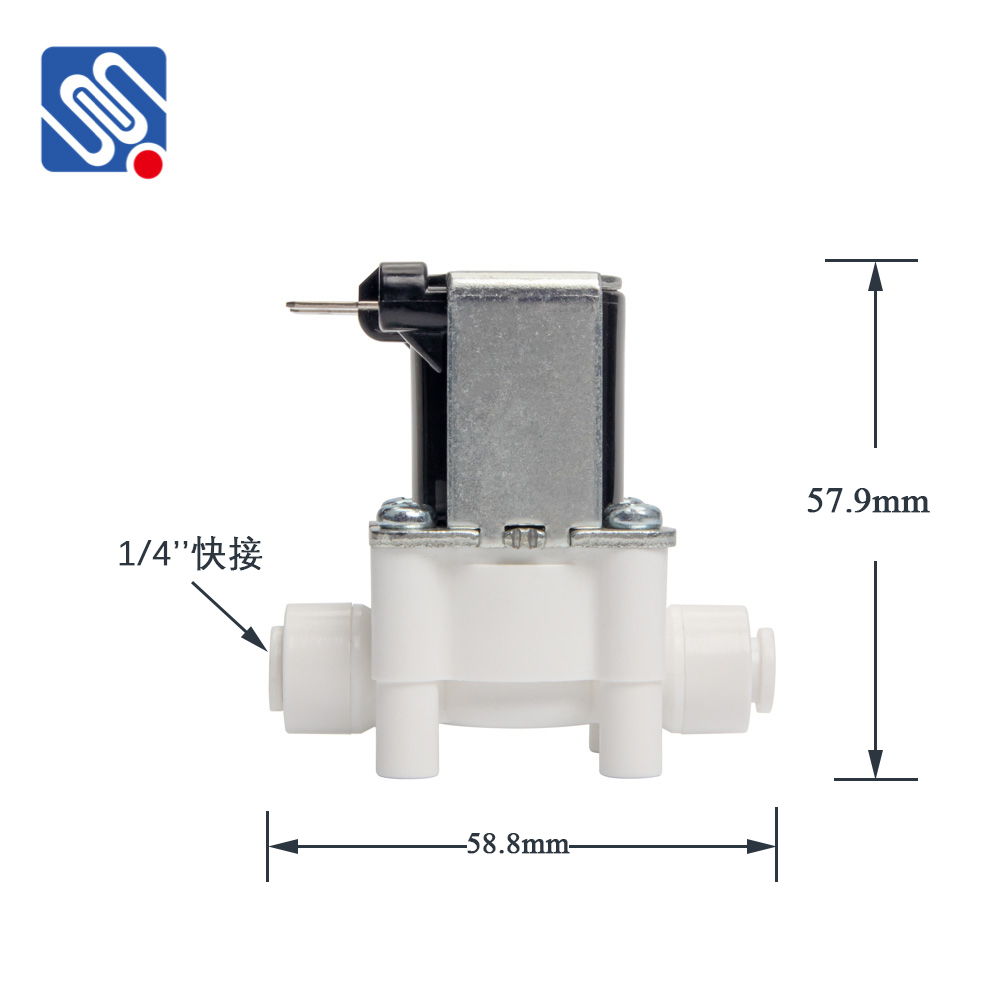
What is a Normally Closed Solenoid Valve? A Normally Closed Solenoid Valve is an electromechanical device used to control the flow of fluids through a pipe or hose. The term “normally closed” refers to the valve’s default state when it is not energized — that is, the valve is closed, and no fluid can pass through. When the solenoid coil receives electrical power, it creates a magnetic field that shifts the valve’s internal components, opening the valve and allowing the flow of fluid. The primary purpose of this type of valve is to stop the flow of fluid under normal conditions and only allow it when activated. This makes it particularly useful in applications where safety and control are crucial.
Leave a Reply