Relay product development is an essential concept in modern product design and engineering. It serves as a framework for ensuring smooth transitions of responsibilities and information across different stages of the product lifecycle. This process not only focuses on managing the flow of tasks but also on enhancing cross-team collaboration, reducing delays, and ensuring that the final product meets the required standards. By adopting a relay-based approach, companies can optimize efficiency and drive innovation.
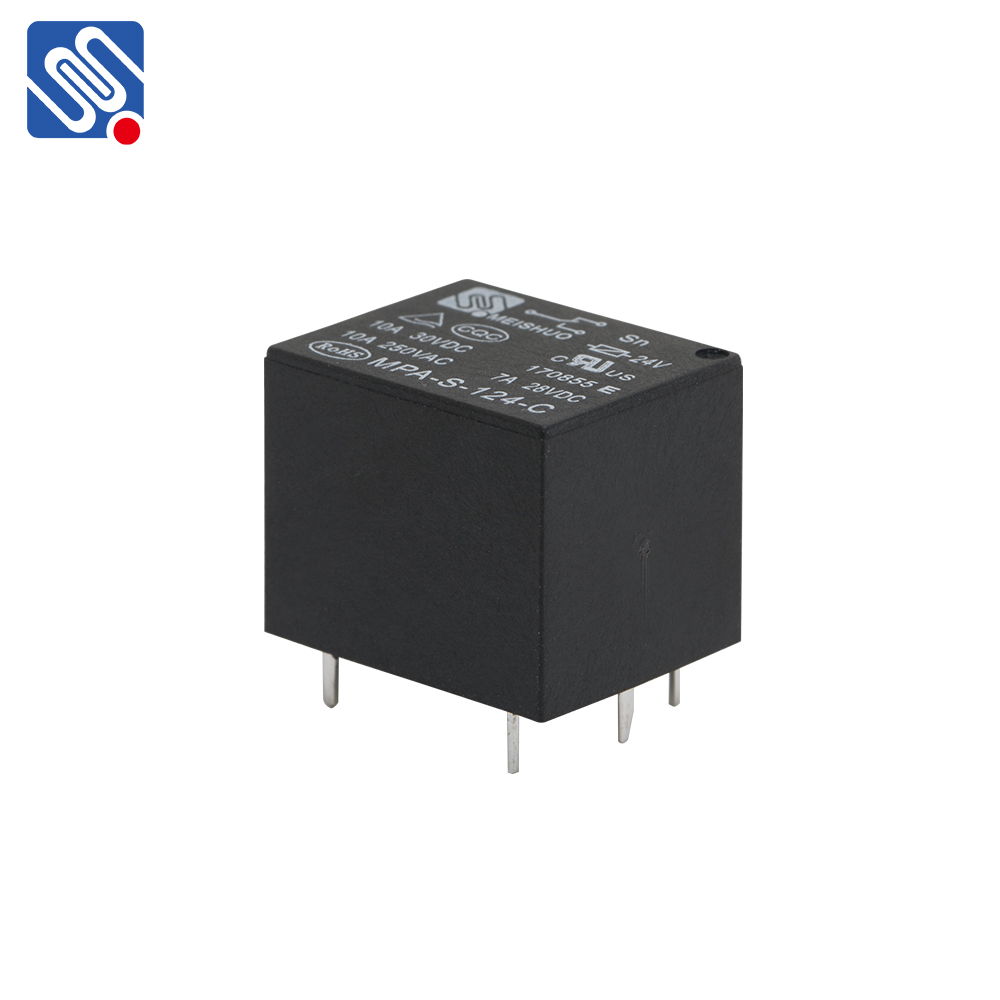
What is Relay Product Development? Relay product development refers to a structured approach in which different teams, departments, or systems pass on their work or responsibilities in a sequential manner, much like a relay race. In a relay, each runner must pass the baton to the next, ensuring that the race continues smoothly. Similarly, in product development, teams pass their contributions from one phase to another, enabling the product to evolve from concept to reality without unnecessary interruptions. This relay model helps in managing complex, multi-phase product development processes, where each phase requires different expertise. Whether it’s a software project, hardware development, or any other type of product creation, relay mechanisms ensure that all stakeholders are informed and on the same page throughout the development cycle.