Relays are crucial components in modern electrical systems, widely used for controlling circuits, switching electrical devices on and off, and protecting equipment from overloads. However, like all mechanical and electrical components, relays have a limited lifespan, which depends on various factors including their type, operating conditions, and frequency of use. Understanding relay lifespan is essential for maintaining the reliability and efficiency of the systems in which they are used. In this article, we will explore the key factors that influence relay lifespan and provide insight into how to extend their operational life.
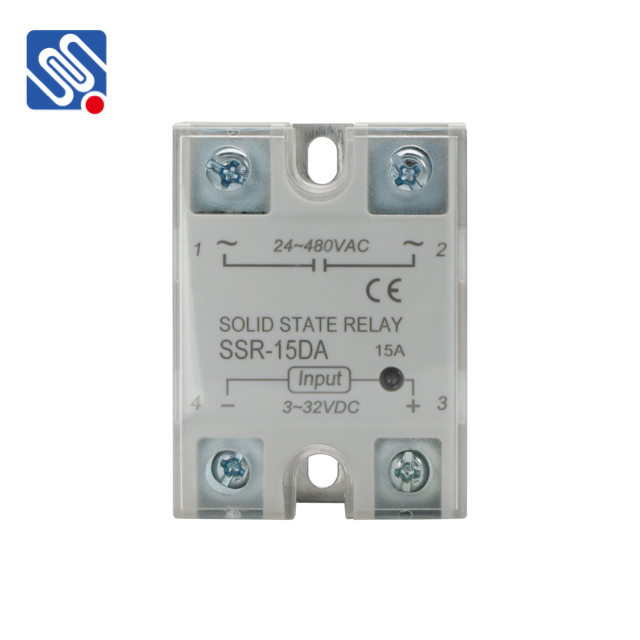
Mechanical vs. Electrical Lifespan Relay lifespan can be broadly categorized into two types: mechanical lifespan and electrical lifespan. Mechanical Lifespan The mechanical lifespan refers to the number of times the relay can physically switch before the mechanical components, such as the moving armature, wear out or fail. This lifespan is typically the longest of the two, and many relays can endure millions of switching operations under ideal conditions. The mechanical action involves the movement of the relay’s contacts, which, over time, can cause friction, leading to wear and tear. The mechanical lifespan is often less affected by the load being switched and is primarily determined by the quality of the materials used and the precision of the mechanical components.