In industrial settings, the safety of workers is paramount. One of the most effective ways to ensure that employees are not exposed to dangerous energy sources during maintenance or repair tasks is through the use of LoToTo locks. These locks play a vital role in the Lockout-Tagout (LOTO) safety procedure, a protocol designed to prevent injuries by controlling hazardous energy during service or maintenance operations. In this article, we’ll dive into what LoToTo locks are, how they work, and why they are an essential component in industrial safety.
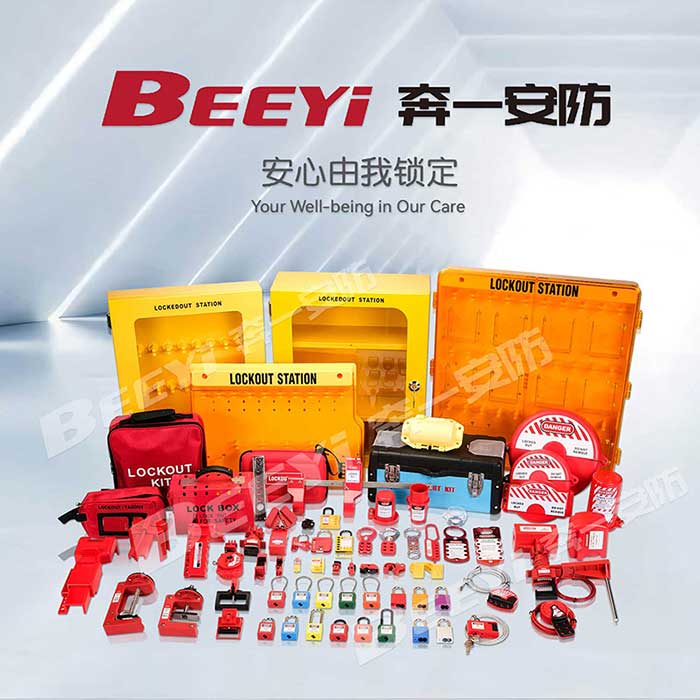
What are LoToTo Locks? LoToTo locks are devices used as part of the Lockout-Tagout (LOTO) program. This safety protocol involves placing a lock (Lockout) on energy-isolating devices, tagging them with a warning sign (Tagout), and verifying that no hazardous energy remains before work can begin. These locks are designed to physically prevent the release of dangerous energy — such as electricity, hydraulic pressure, or pressurized gases — that could pose a risk to the safety of workers during maintenance or repair tasks. LoToTo locks come in a variety of designs, including padlocks, circuit breaker locks, valve locks, and plug locks, each suited to lock different types of energy-isolating equipment. The primary function of these locks is to isolate or block energy sources, making it impossible for unauthorized personnel to start or activate the equipment until maintenance work is complete and the lock is removed.