Power Distribution Relays (PDRs) play a pivotal role in maintaining the stability and safety of electrical distribution systems. As the backbone of electrical grids, they help protect electrical networks from failures, prevent damage to equipment, and ensure the continued flow of power to end users. With the increasing demand for reliable electricity and the complexity of modern electrical grids, the importance of these devices cannot be overstated. In this article, we will explore the key functions of Power Distribution Relays, their working mechanisms, and their significance in modern electrical infrastructure.
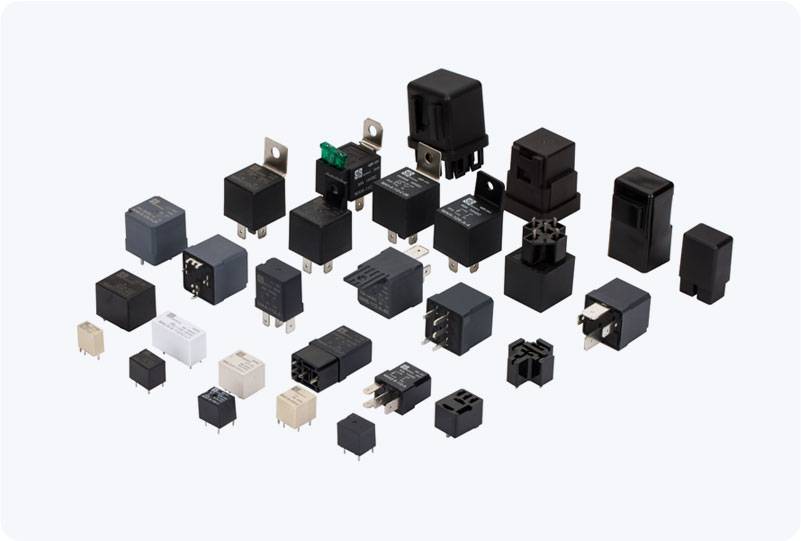
What is a Power Distribution Relay? A Power Distribution Relay is an electrical device used to protect and control the operation of electrical distribution networks. These relays are designed to monitor the current, voltage, frequency, and other vital parameters of an electrical distribution system. When abnormal conditions, such as overcurrent, overvoltage, or short circuits, are detected, the relay sends a signal to the circuit breaker to disconnect the faulty section of the system. This ensures that the electrical grid continues to operate safely, avoiding widespread outages or equipment damage.