The 24V DC Industrial Relay is an essential electrical device widely used in automation, control systems, and industrial machinery. Designed to switch high-power electrical circuits using a low-power control signal, it is a reliable tool for industrial environments that require precision and durability. In this article, we will explore the significance of the 24V DC industrial relay, its working principle, applications, and key features.
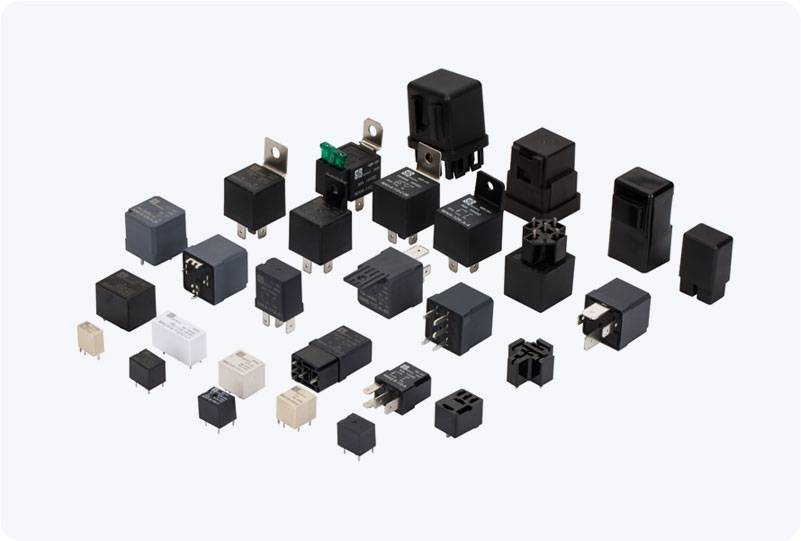
Understanding the Basics of 24V DC Industrial Relays At its core, a relay is an electrically operated switch. It consists of an electromagnet, a set of contacts, and a spring mechanism. The 24V DC industrial relay operates on a control voltage of 24V direct current (DC), which is ideal for many industrial applications. When a current flows through the coil of the relay, it generates a magnetic field that causes the contacts to either open or close, thus controlling the flow of electricity to other parts of the system. The primary function of a relay is to isolate different parts of an electrical circuit while allowing a smaller control current to control a larger load. This isolation is especially important in industrial settings where safety, stability, and operational efficiency are crucial.
Leave a Reply